Kimi Takesue’s Cinema of Relinquishment
In the early 2000s, filmmaker Kimi Takesue spent years developing her first narrative feature with big-name international talents attached. But when producers failed to raise funds due to the 2008 financial crisis, she had to wrench herself away and learn to let go. “Basically everything stopped,” she said. “I had this project, I had a Guggenheim [grant], and it was over. I was so devastated. I wanted to give up.”
But rather than treat the unrealized feature as a dead end, Takesue scavenged from its wreckage. Some characters ended up in new scripts, while images from test footage reflecting her internal state of “anticipation and expectation” found their way into her short, Suspended (2009). The new film made it into all three major festivals Takesue submitted to—Sundance, New Directors/New Films, and Rotterdam—and earned her a slate of new commissions and projects.
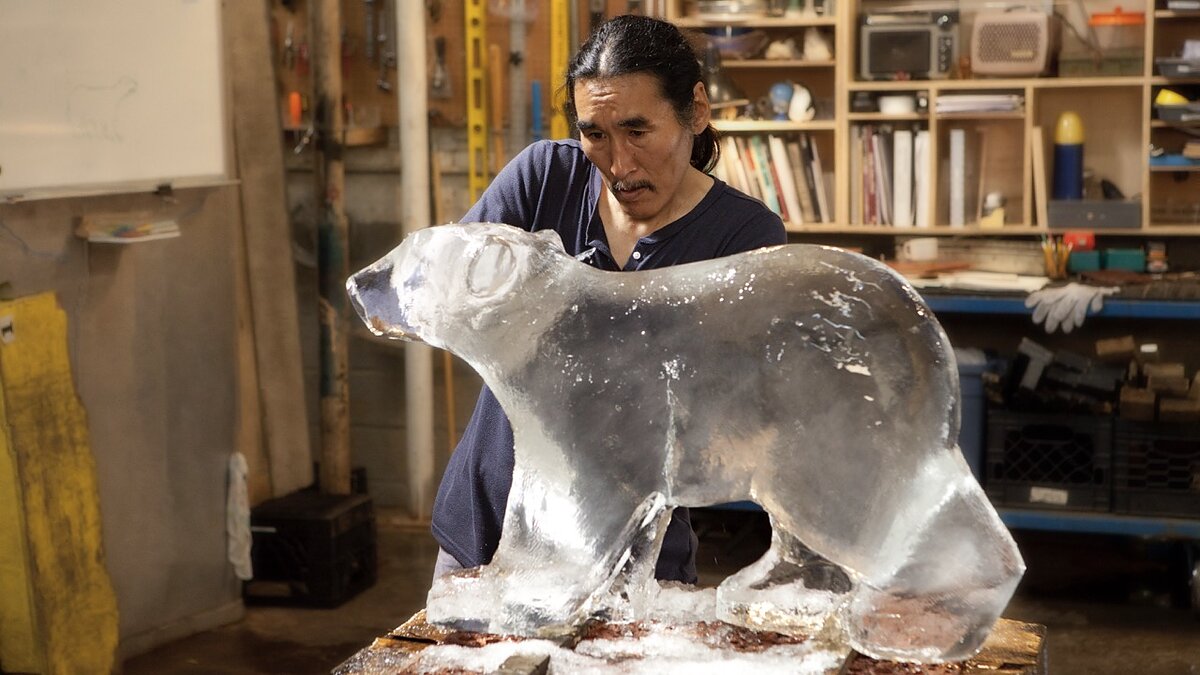
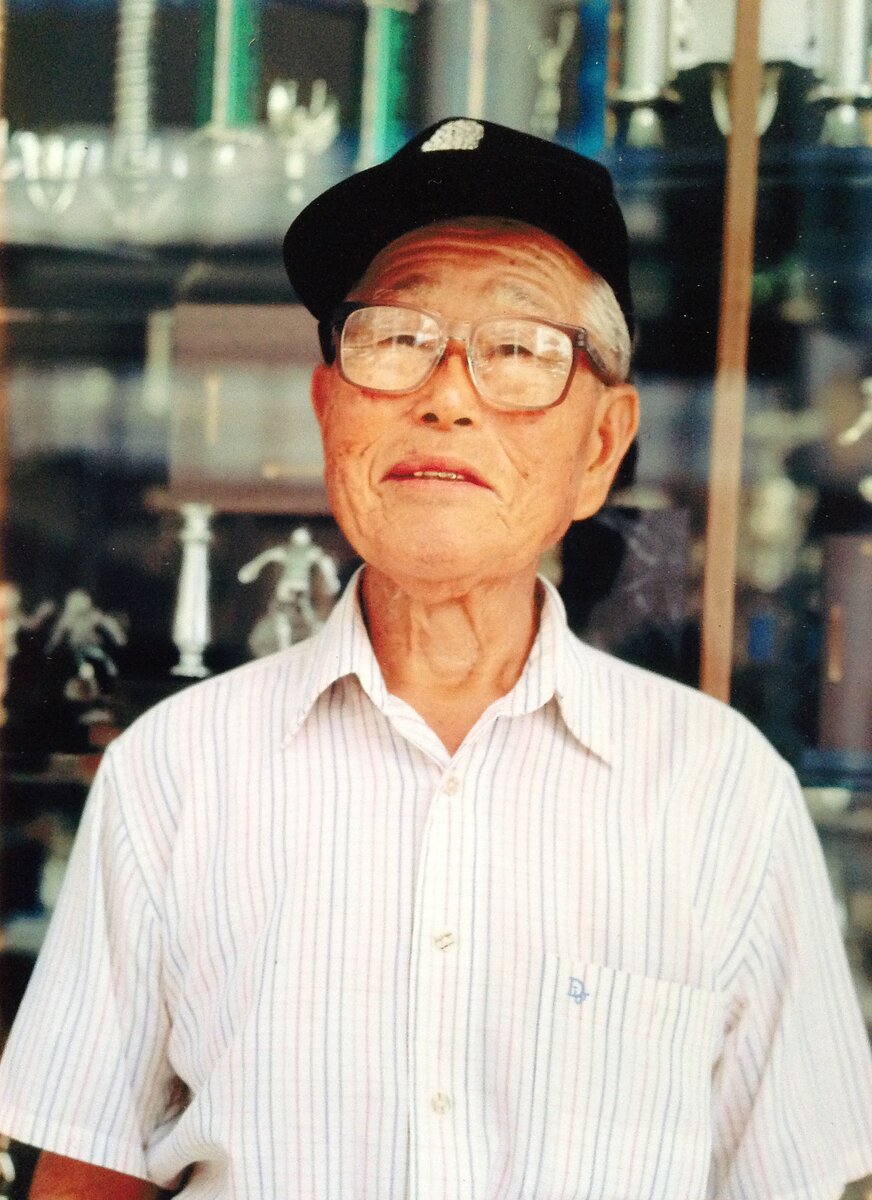
Takesue has repeated this pattern of improvised assembly throughout her filmmaking practice; her films often emerge from failed projects. For example, the Inuk ice carver who comforts a young environmental refugee through loss in Takesue’s short That Which Once Was (2011) came from a failed narrative script. We also see Takesue’s grandfather give feedback on the same script in her documentary feature 95 and 6 to Go (2016). Even earlier, in her surreal early work Rosewater (1999), the image of bobbing for apples began as a graduate school assignment to film a mundane activity in black and white. Though often imperceptible in the final product, her wide-ranging projects often flower from the same seeds.
Recently assembled in a career retrospective feature on the Criterion Channel, titled “Crossings and Encounters,” Takesue’s three decade-spanning body of work meanders through documentary, fiction, and experimental modes, following the tides of the filmmaker’s life and her own positioning at the nexus of cross-cultural encounters. What allows for the serendipitous convergences across Takesue’s body of work is her willingness to surrender to uncertainty as a requisite part of the filmmaking process. This sensibility has influenced not only her process, but the shape her films take, defined by pensive quietude, observation through long takes, and the dance of crisscrossing looks that stage so many encounters of reciprocal witness.
“So many of these films are about regaining sight, regaining the ability to be present and appreciate incredible moments in life that you don’t pay attention to,” she said. “It’s been my opportunity to engage with the world in profound ways.”
Takesue came to film through cultural studies and the work of filmmakers like Trinh T. Minh-ha, Sankofa Film/Video Collective, and Black Audio Film Collective. This theoretical undertow persists but also opens to a formal humility responsive to more recent developments in cultural criticism. Takesue’s radical listening displaces the critical, deconstructing eye, building meaning through accretion and restraint rather than self-assertion, releasing control to allow each encounter to reveal its own charge without conscripting her subjects to a predetermined argument.
“I’m trying to make work that’s accessible on a lot of different fronts—human experience, beauty, humor,” she said. “As a maker, you’re often trying to show ‘I’m smart.’ You’re trying to anticipate critiques. But what I’m actually more interested in is something bigger, and more intangible.”
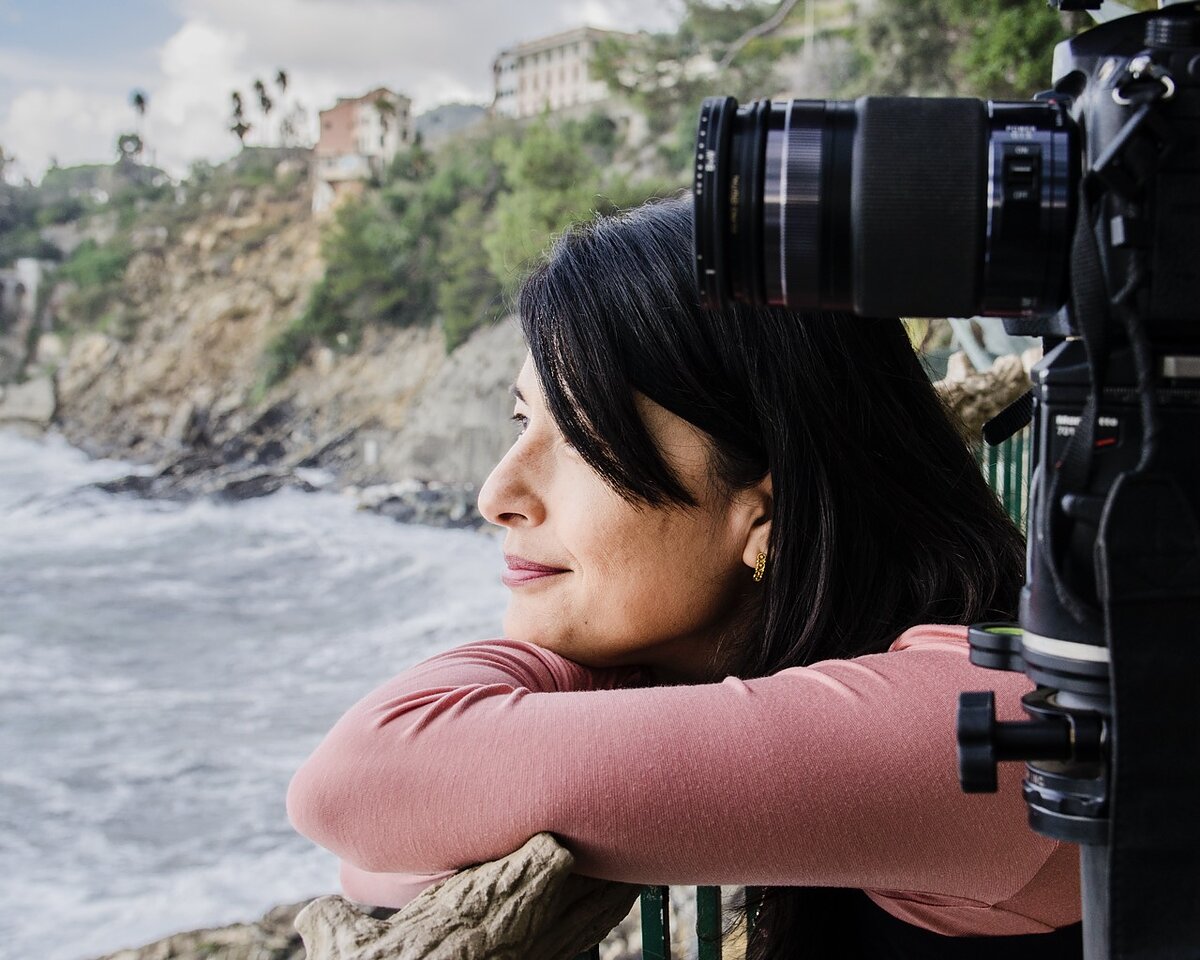


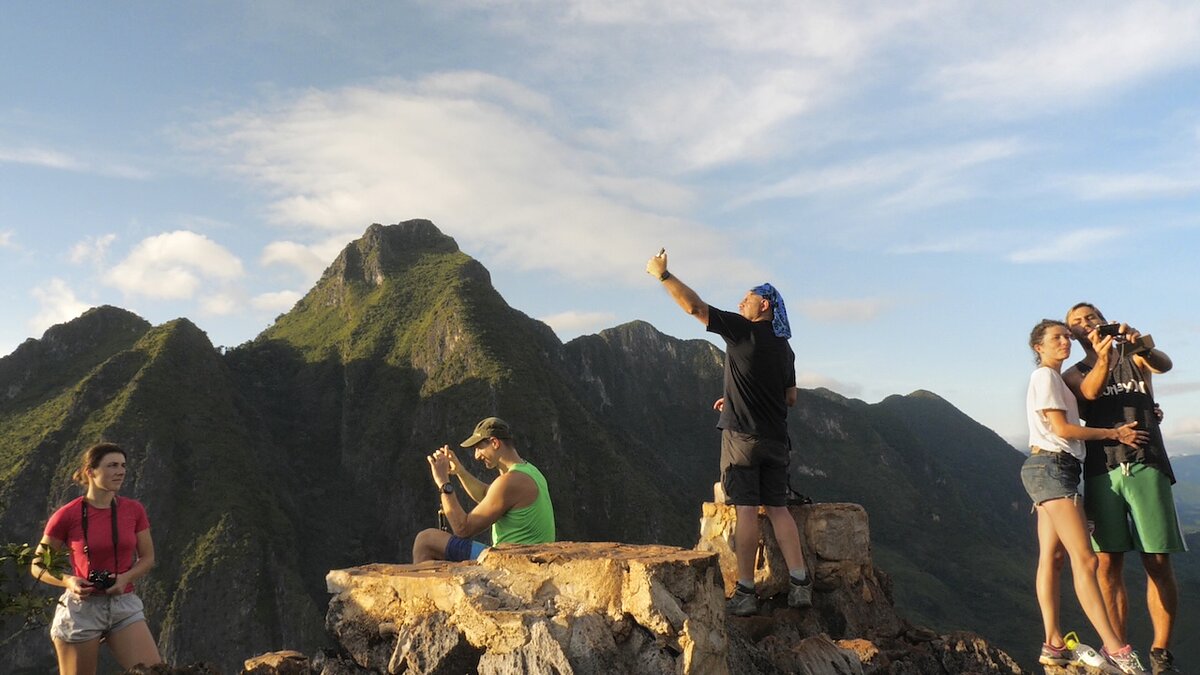
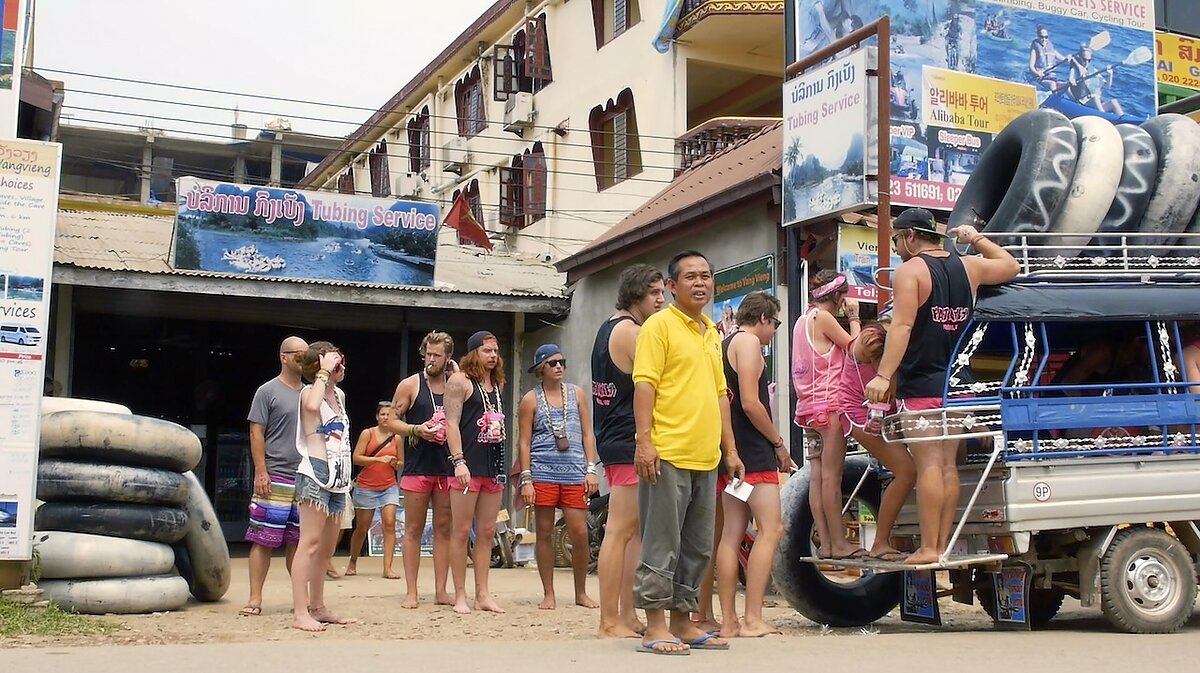
Her most recent work, Onlookers (2023), turns this gaze on camera-toting tourists in Laos, including herself. It would be easy to flatten the film into a critique of tourism, a facile apprehension of the Western gaze upon Southeast Asia—and the film is not naïve to either reading—but Takesue’s unnarrated durational engagement lets each moment unfold in its full complexity, softening and rehumanizing the critical eye of the viewer, who might otherwise mistake themselves as apart from and above the tourists on screen.
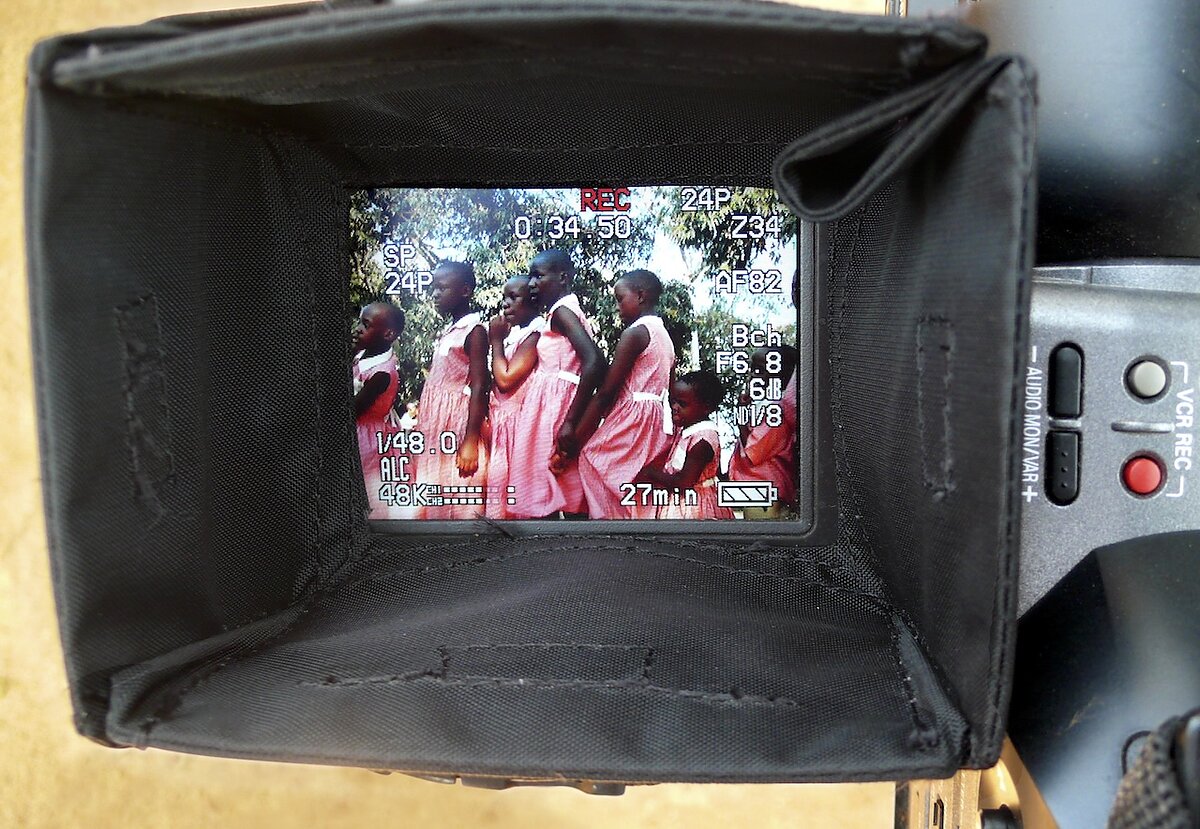
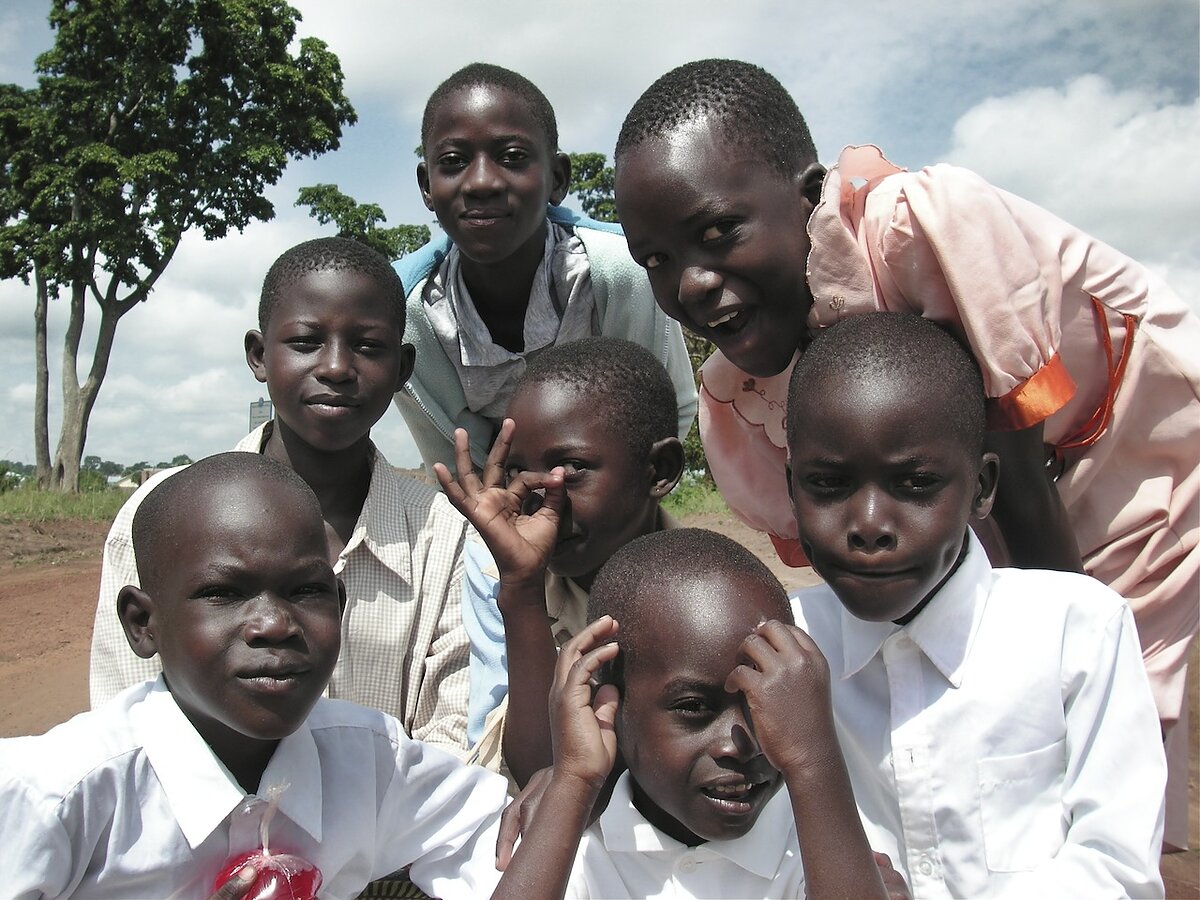
Where Are You Taking Me? (2010)—a documentary feature made in Uganda at the invitation of the late IFFR programmer Gertjan Zuilhof, as part of an initiative to explore African cinema—shares this long take-driven observational approach. It’s tempting to view Where Are You Taking Me? and Onlookers as two variations on travel-film critique. But what Takesue offers is not a thesis so much as the singularity and detail of life as it unfolds before her camera. One must give in to the duration of her images and the particularities of her subjects to register such distinctions. “[Where Are You Taking Me?] is concerned with a rhythm of actual travel, the movement between the dynamism and confusion created, and disorientation in space, versus moments of meditation and pause,“ she said.
When I watch Takesue’s films, I am struck by their humanism, the ways she captures all of the gnarled crevices of the heart and finds the essence of that quiet desire and curiosity that propels us through life distilled into so many epiphanic, if mundane, moments—what she calls “the pulsations of connection and distance.” Through Takesue’s films, I witness and am witnessed. As affective beings, we remain mysterious to ourselves and others. Indeed, Takesue’s work demonstrates that relinquishment is not simply passivity, but a way of working and living with the light hand of unknowing.