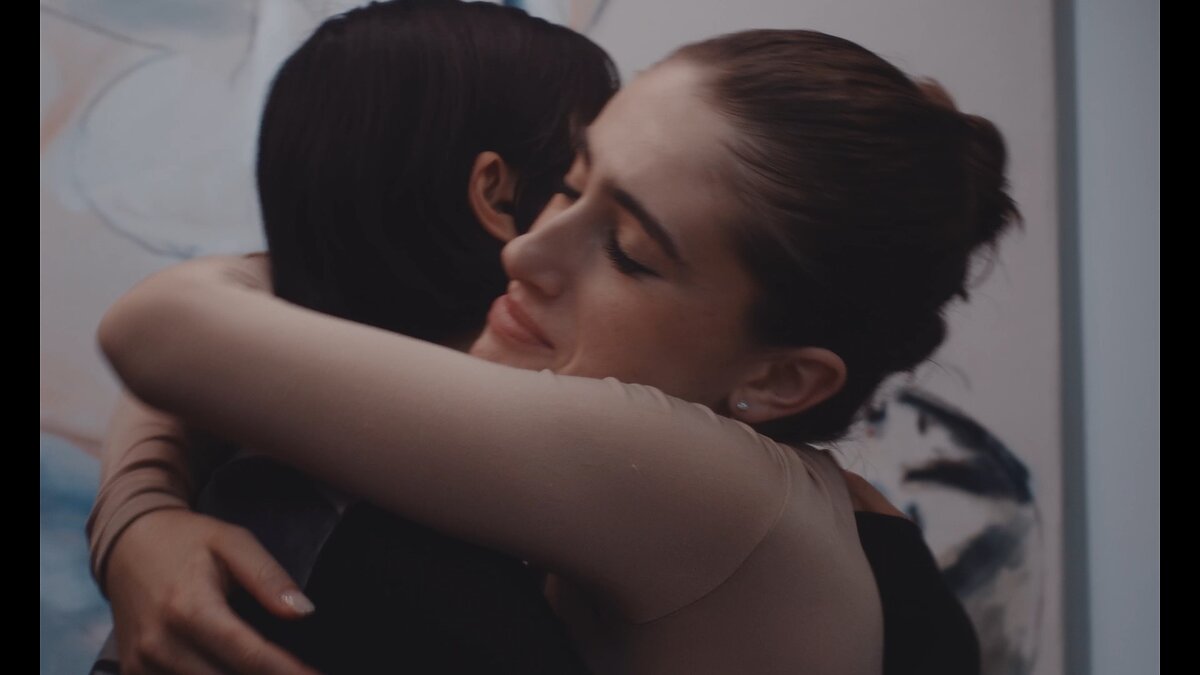
Filmmaker Katarina Zhu on Girlhood, Bunnies, and Process
Katarina Zhu lays it all out on the table in Bunnylovr, her first feature film, which she also wrote, directed, and stars in. The story follows a Chinese American cam girl in New York City named Becca who is muddling through her 20s and hungry for human connection.
She goes looking for it in all the wrong places: her wealthy artist friend who expects her to model for paintings, her noncommittal ex who only wants to hookup, her impatient and unsympathetic boss at a “nothing job,” her demanding online followers who show up to satisfy their own fantasies. When one of those followers says he wants to send her a special gift, Becca soon receives a white bunny in a cardboard box through the mail. This ostensible act of kindness soon devolves into a scheme for the sender to insist on increasingly bizarre erotic acts involving the rabbit.
In the midst of navigating these transactional relationships, Becca runs into her estranged father, William, played by the always adept Perry Yung. Despite the years that have separated them and William’s persistent gambling habit, father and daughter fall back into a familiar rhythm. Together, they face the stark reality of William’s terminal diagnosis.
The film largely takes place in and around Manhattan’s Chinatown, and deftly deals with themes of alienation, digital era loneliness, and the ever present sexualization of Asian women. With evocative cinematography by Daisy Zhou and a soundtrack powered by Charli XCX, Bunnylovr offers a quietly powerful anthem for the Chinese American 20-somethings still finding their way in adulthood.
After premiering at Sundance in 2025, the film was released in theaters in LA and NYC this past spring. It’s now available for streaming on Apple TV, Prime Video, and Fandango at Home. I caught up with Katarina in Brooklyn to talk about her creative process, what it was like working with friend Rachel Sennott (who plays Becca’s privileged art friend), and how she navigates a career in the film industry as an Asian American woman.
Katarina Zhu: It started from this feeling of overwhelming loneliness. I wanted to write about someone who was untethered and desperately searching for connection as a way of filling some sort of void within herself. The seeds of it were planted during the pandemic, which was obviously a very isolating and lonely time for many people, myself included.
Any film, any book has autobiographical elements, but it’s just a matter of how much you want to disguise the autobiographical parts of it. There were specific things like the main character’s relationship with her father, which is totally based on my relationship with my dad. We’re estranged, but my dad’s still alive. I took the elements of that relationship and used it for the script, but the father character is not like my dad at all. He’s more of a Howie from Uncut Gems [laughs]. The character and the relationship takes on a life of its own. I was also a personal assistant for this finance guy on the Upper West Side when I was in my early 20s. Bits here and there are based in truth, but it’s all a little bit more fictionalized.


KZ: I’m writing my second feature right now, and so I’m able to see a pattern in my writing process. You start with a blank Google doc and you just vomit out anything and everything onto it. You’re just collecting things, different lines from movies that resonate with you, words from books or articles, fragments. Slowly those little bits start to coalesce and a story starts to emerge.
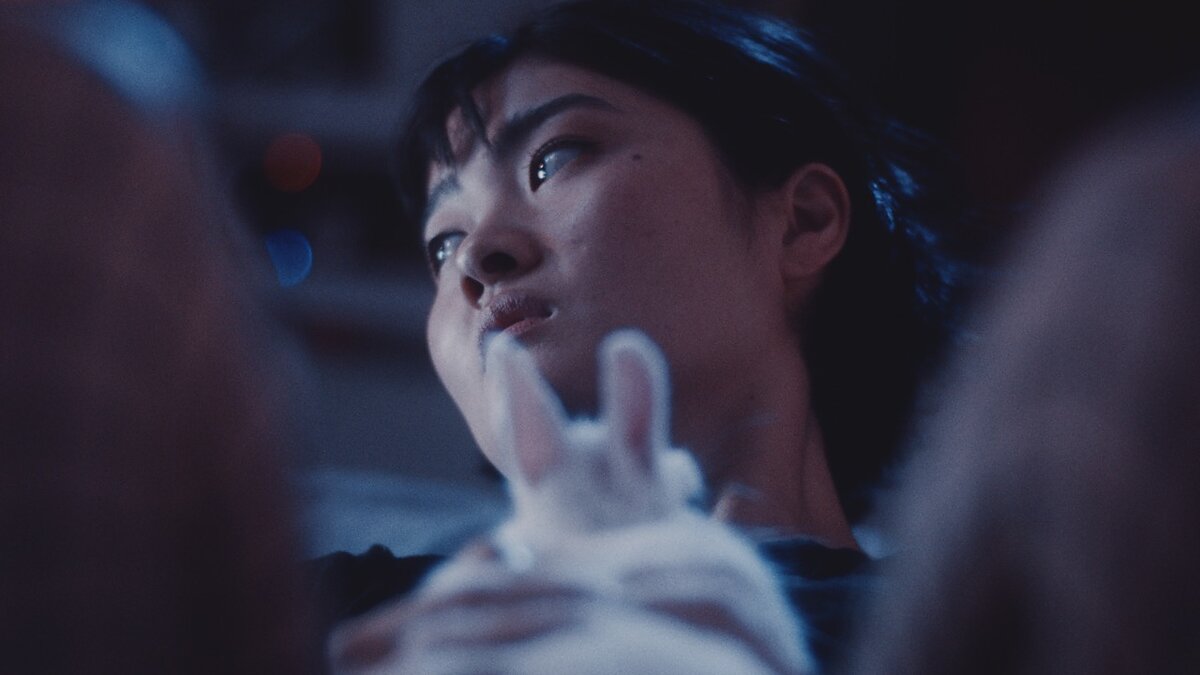
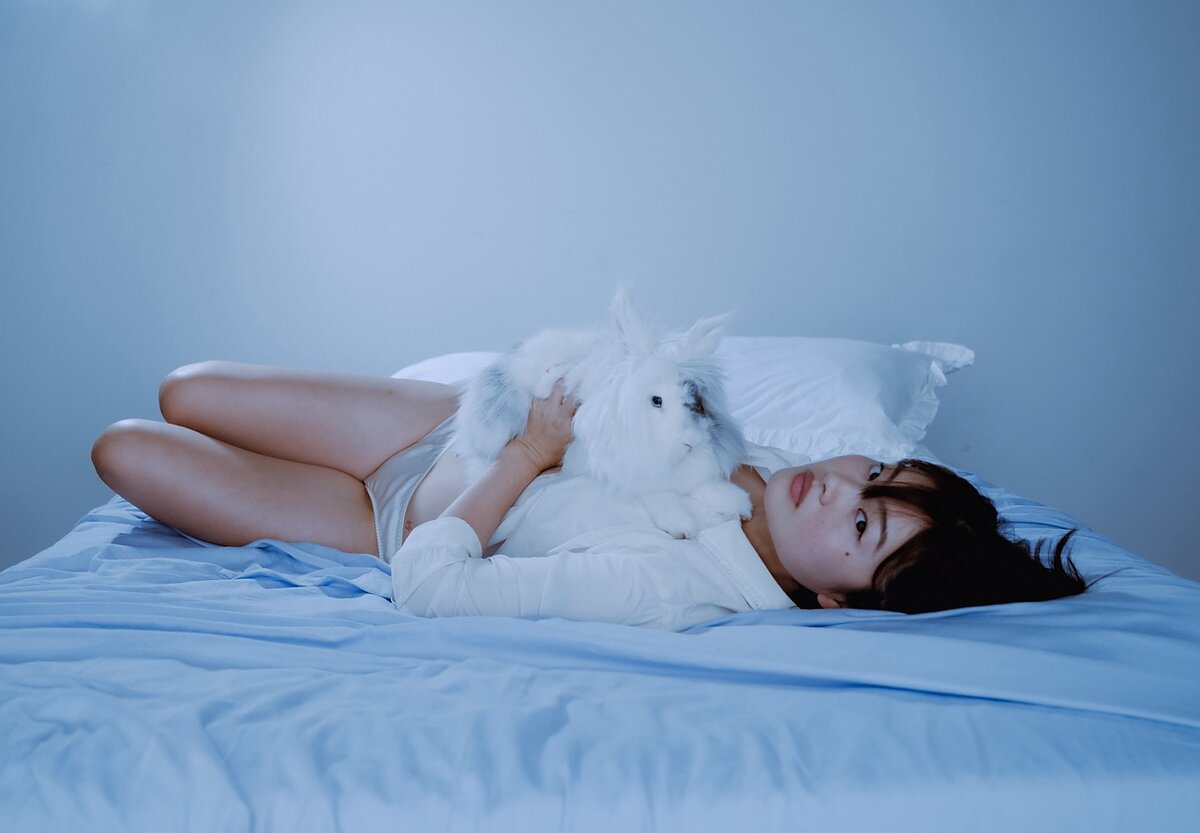
For Bunnylovr, there were three or four different images that I wanted to emulate. One of the images that really inspired the film was this short film called Snow Canon by Mati Diop, who is an amazing French Senegalese director. In Snow Cannon, it starts with a young woman. She’s lying on her back with her knees up and she’s pushing a bunny down her body onto her pelvis. I think I saw the film eight or nine years ago, but that image always stuck in my brain. I basically lifted that image entirely. It was just so interesting to me, the idea of these two very innocent beings. And there’s nothing that the girl is doing that’s explicitly bad or immoral, but it still made me so uncomfortable.
I’m realizing the one and a half, two years of trying to write a draft while you’re living your daily life just doesn’t work for me. You have to immerse yourself so much in the script. For Bunnylovr in particular, I went away for three and a half weeks, wrote the first bad draft, and then from there, it took another month and a half, two months to really refine that version. And then my manager started sending it out to producers and financiers. Once we had a shareable draft, it was a really quick timeline in terms of development.
KZ: I went to NYU for acting, and while I was there, I was auditioning professionally and I wasn’t booking anything. I still have not really booked anything off of an audition in my life—maybe one or two things. That’s all to say: It’s like you have no agency as an actor. While I was in school, that was really frustrating. But at the same time, I was seeing a lot of friends around me making their own work.
I dipped my toe into making my own work sophomore year with my friend who’s in the film, Rachel Sennott. By the end of college, it felt like if I wanted to have a career in film, I would have to forge a path for myself. The way to do that was to write, make something for myself to act in. I think I knew deep down that I wanted my debut feature to introduce me to the industry as all three—writer, director, actor—in equal parts so that I wouldn’t be boxed into one thing.
There were obviously moments of doubt because it’s a real undertaking to do all three. But I think that with the right producers and the right crew and cast, it can almost be easier than only acting or only directing. Because you yourself are aware of how monumental the task is, you are over preparing and everyone else around you is giving 250% because they are also aware of how hard it is. I’m so grateful to my producers, Roger Mancusi and Ani Schroeter and my Director of Photography, Daisy Zhou.
KZ: What you’re seeing is pretty true to what we had originally discussed in terms of visual style. We talked a lot about Robbie Ryan and Andrea Arnold and their work together, which has a doc-narrative hybrid feeling. I love documentaries. Even though they are so obviously editorialized, I just love the feeling that you’re watching something raw and authentic. I really wanted to bring that feeling to the cinematography.
I was thinking a lot about Eliza Hittman’s films, like Love or Beach Rats. Andrea Arnold’s American Honey and Fish Tank were big references in terms of visual style. When I first saw those films, I realized that I could make a film about a young woman dealing with her sexuality and her relationships with the men in her life and her friends.
Intimate handheld shots were what we were going for. Daisy is so amazing. She had this feature in the British Society of Cinematographers magazine and I was reading a bit of it. She referenced all these other DPs. There were so many other styles and cinematographers that she drew upon that completely went over my head. That’s why I love working with her.
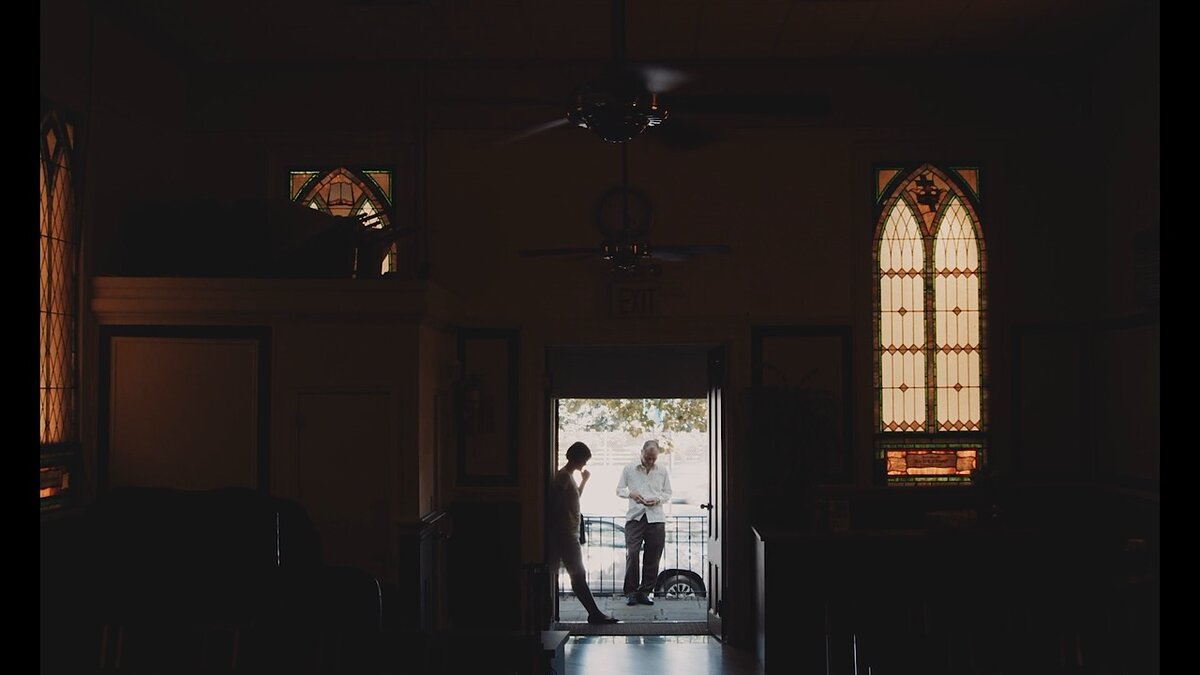
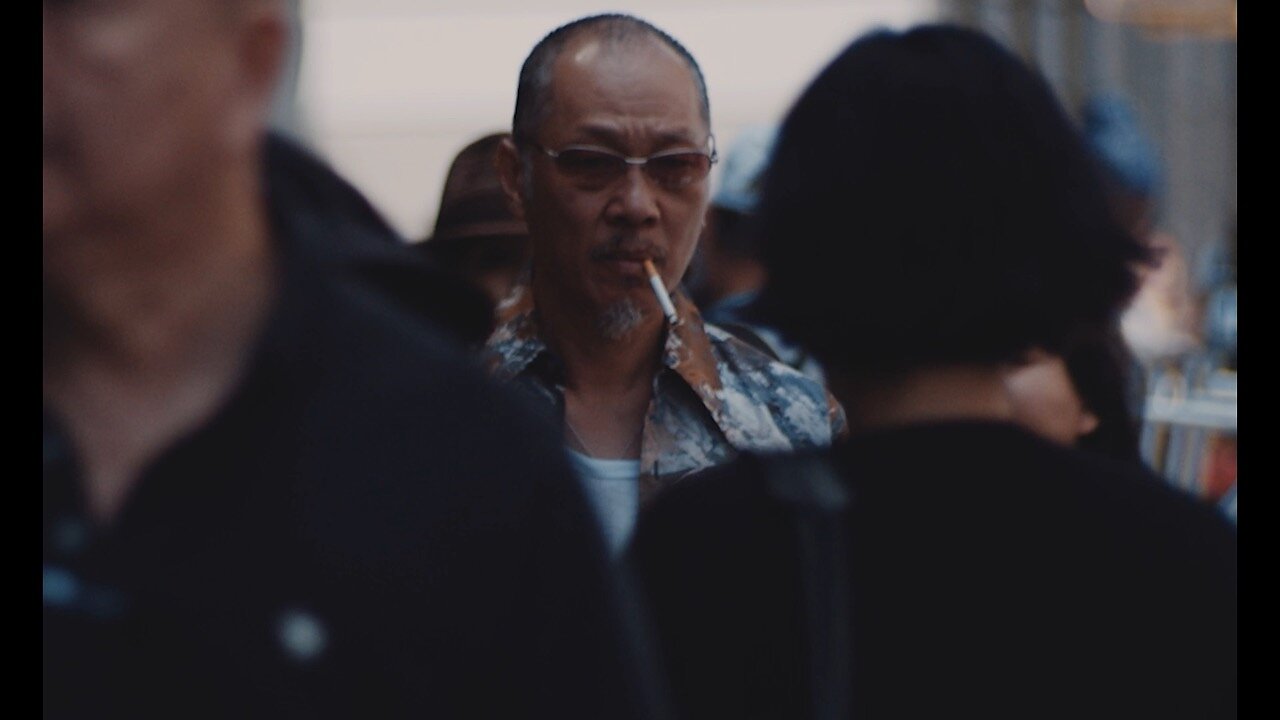
KGS: Completely. Perry is the exact opposite of William and that’s a testament to his amazing acting. How Perry and I met is there was this financier who I was talking to who ultimately didn’t come on board, but he read the script and he said the guy who immediately came to mind for the role was Perry Young. I hadn’t known Perry’s work, so I looked him up and I saw one picture of him, and I was like, he has to be William, he has to be my dad.
I cold DMed him on Instagram and he was so lovely. He read the script and said he would love to be a part of it. He was the only person in the cast who was a New York local. Perry was the only actor I had the opportunity to have real rehearsal time with, and he was so generous with his time. We would go to Chinatown and rehearse.
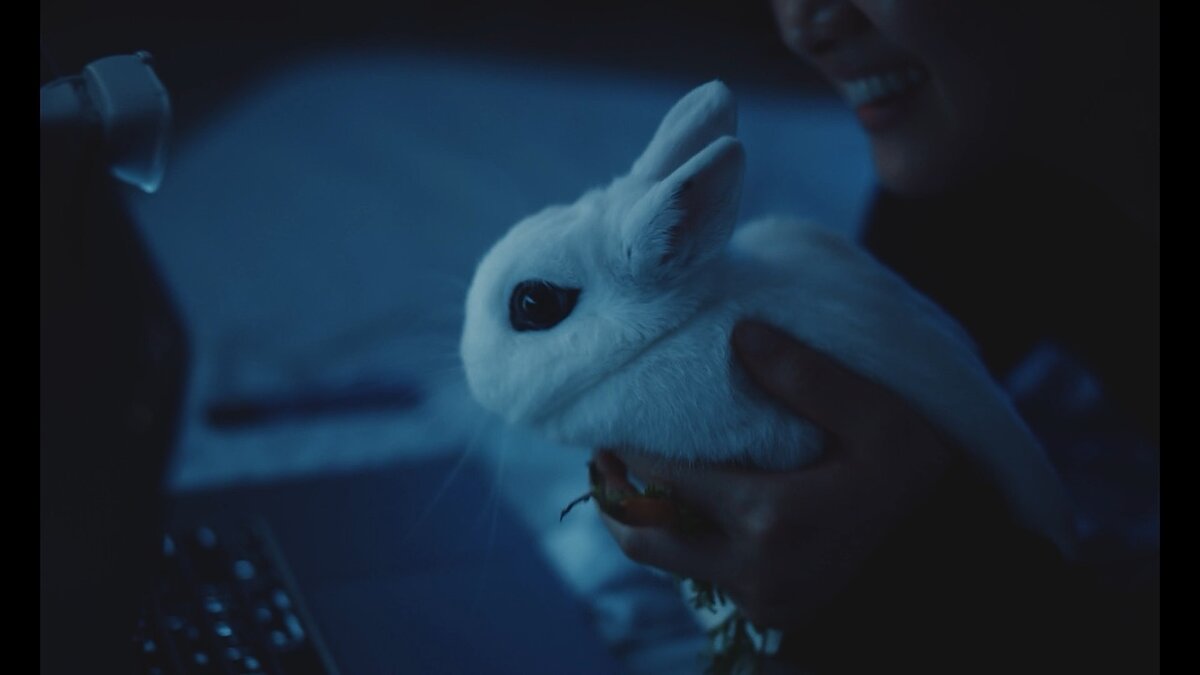
KZ: Have you read Famesick? In her press tour, Lena Dunham has talked about having pet bunnies and how she identifies with the bunny because they’re prey animals. They’re constantly in fight or flight and in fear of being eaten. They’re completely defenseless. That’s something that I was interested in—the way that a character treats an animal when they’re alone with it. Visually, the white bunny plays really well on screen, especially in the nighttime scenes in this world of blue and gray and black.
There’s a larger conversation of, what is this thing with young women and bunnies? Sandy Liang is all about the bunny motif. What is that? Is it because bunnies are so representative of purity and innocence? Is it just playing that up? I don’t know.
KZ: Rachel and I have known each other since our freshman year of college. We were in the same group in our acting program. She’s been an incredibly supportive friend and also an amazing collaborator. Our sophomore year we made a web series together. That was our very first collaboration. From there, we’ve always had a relationship where we just share our work back and forth, whether it was Rachel workshopping tweets with me, or me sending Rachel short film scripts. That’s just been our relationship from day one.
I think we really gravitated towards each other in school because we were both seeking something outside of what the program was offering. We both had greater ambitions that weren’t supported by the program that we were in. She was one of the first people I sent the script of Bunnylovr to. It was her and my manager. She really helped me in terms of shaping the story and structure. And then later on she came on in the role of the best friend—and as a producer. I am so grateful for her support and her involvement because it would not have been nearly as quick of a runway to get it made if she wasn’t involved.
KZ: I’m probably willfully ignorant about the challenges. I feel like I don’t let myself have awareness of them. So that I don’t become jaded and disheartened. It’s not a coincidence that there were only so many roles in college when I was going out for auditions. A substantial, authentic, resonant role for a young Asian American woman—there were like next to none. I got the audition for The Farewell my senior year of college. I’ll always remember that audition because it was one of very few that I felt connected to. I saw myself in that role. It had depth and dimension.
On the flip side, when I was starting to develop my feature, there was a surge of interest in “diverse stories” from marginalized communities. There was a brief moment where Everything Everywhere All at Once won an Oscar and everyone was like, okay, we love Asian stories. We love Asian people. We want more of that. Which was pretty short lived. I think now we’ve sort of regressed. For better or worse, I’m always trying to see the cup as half full.
I do feel ultimately like I’m a part of a new, emerging generation of Asian American filmmakers who are being given a platform. I’m just really grateful to be a part of that. People like Sean Wang, Constance Tsang who had Blue Sun Palace at Cannes two years ago, and then I have a friend, Jeannie Sui Wonders, who is working on her debut feature and another feature in the works. You’ll be seeing her name everywhere soon. I feel really grateful to have this community of people.