Asad Raza on Rats, People, and the Purpose of Life
Asad Raza has been creating multi-sensory and “metabolic” encounters in the art world for the past decade, guiding audiences into embodied experiences with materials like soil, water, trees, and electricity. His work—spanning video, installation, sculpture, and then some—is often activated by people, dissolving disciplinary boundaries and between audience and artist.
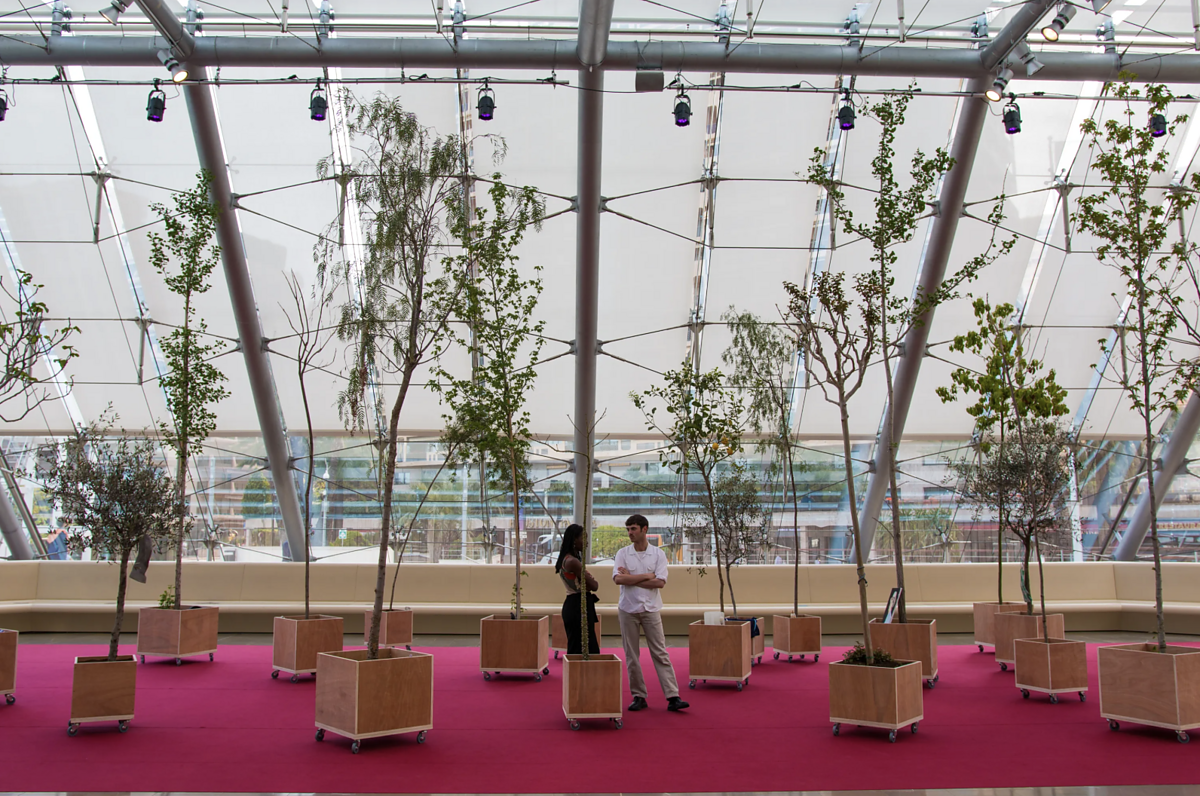
Though his practice resists easy categorization, there are steadfast commitments: building social fabric between living and non-living beings, and drawing attention to neglected modes of experiencing art and the world at large. From “The Home Show,” wherein Raza invited fellow artists to intervene in his tiny New York City apartment, to “Root sequence. Mother tongue,” where he brought 26 living trees to the Guggenheim Bilbao, Raza has maintained a steadfast relationship to questioning how and what art can do for the public, human or otherwise. Last year, ARTnews named “Diversion”—for which he redirected a river through Frankfurt’s Portikus gallery and filtered its water for visitors to drink—one of the 100 greatest exhibitions of the 20th century.
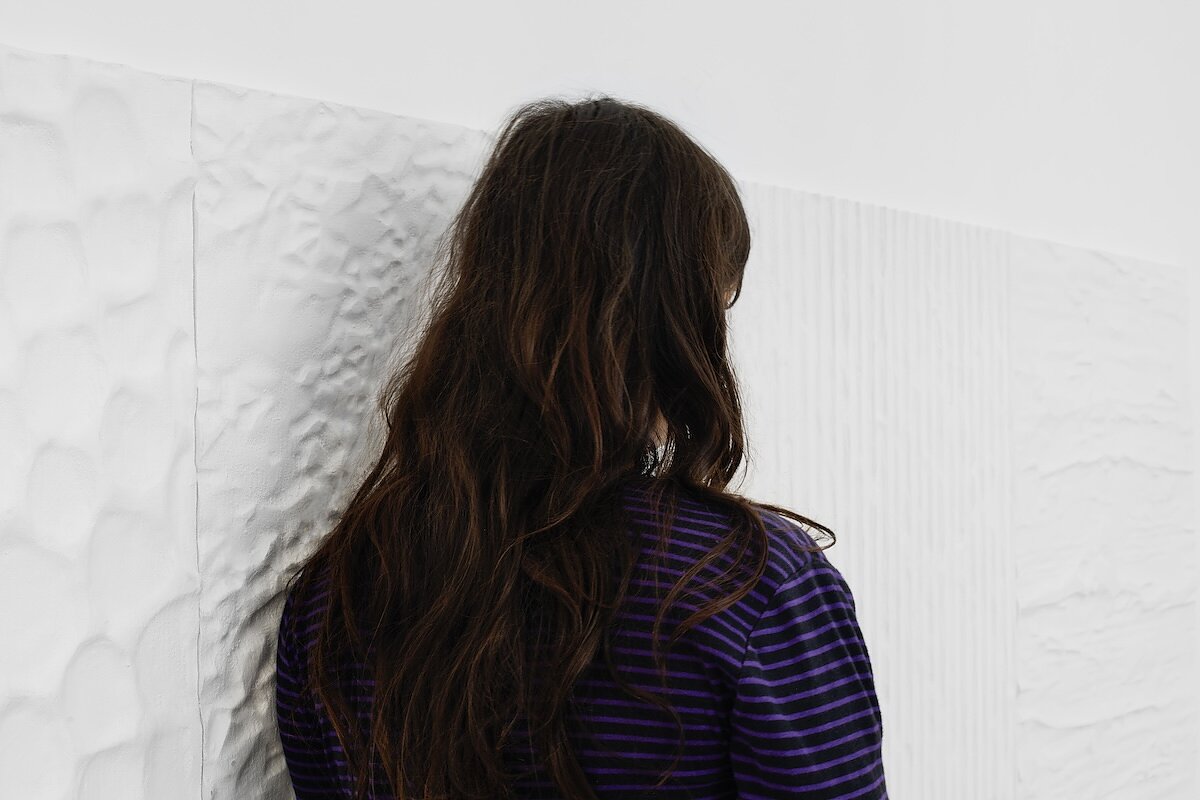
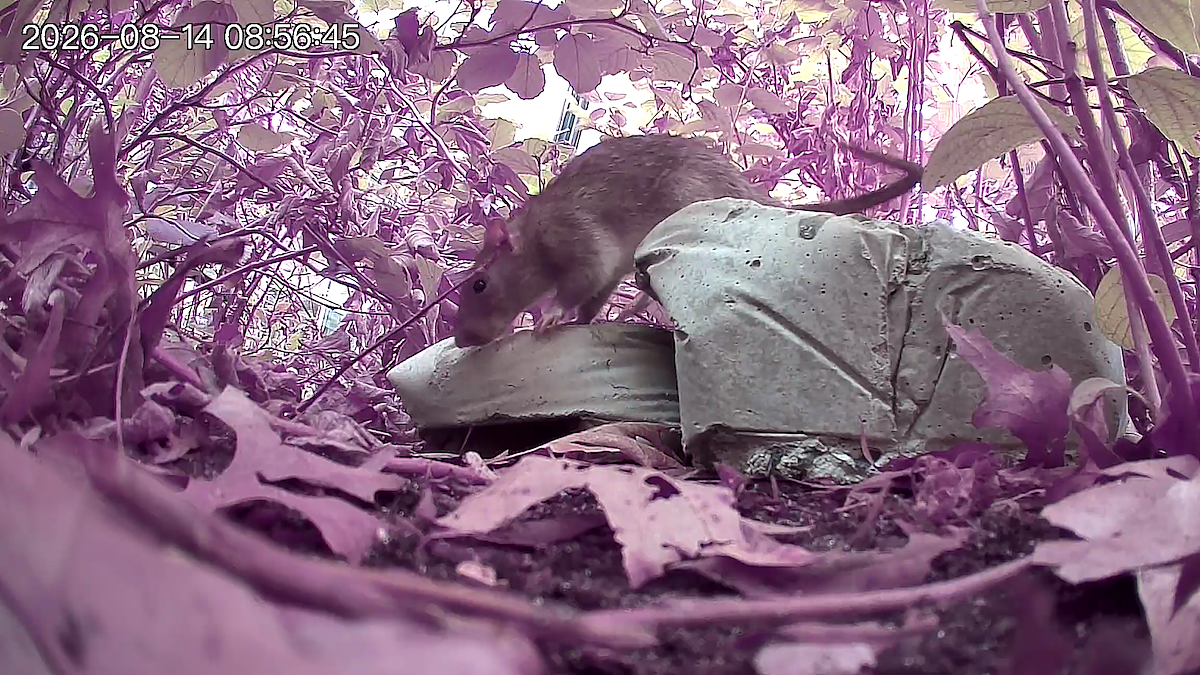
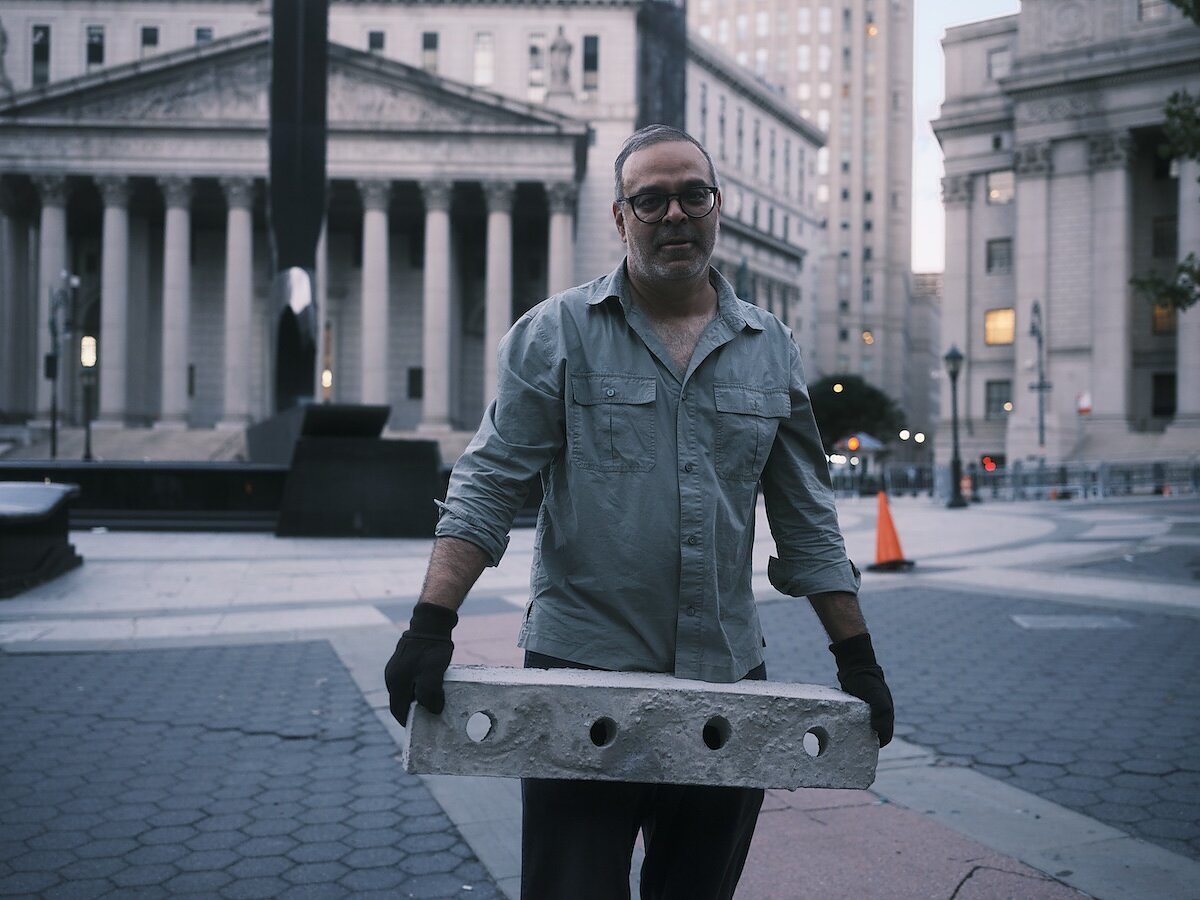
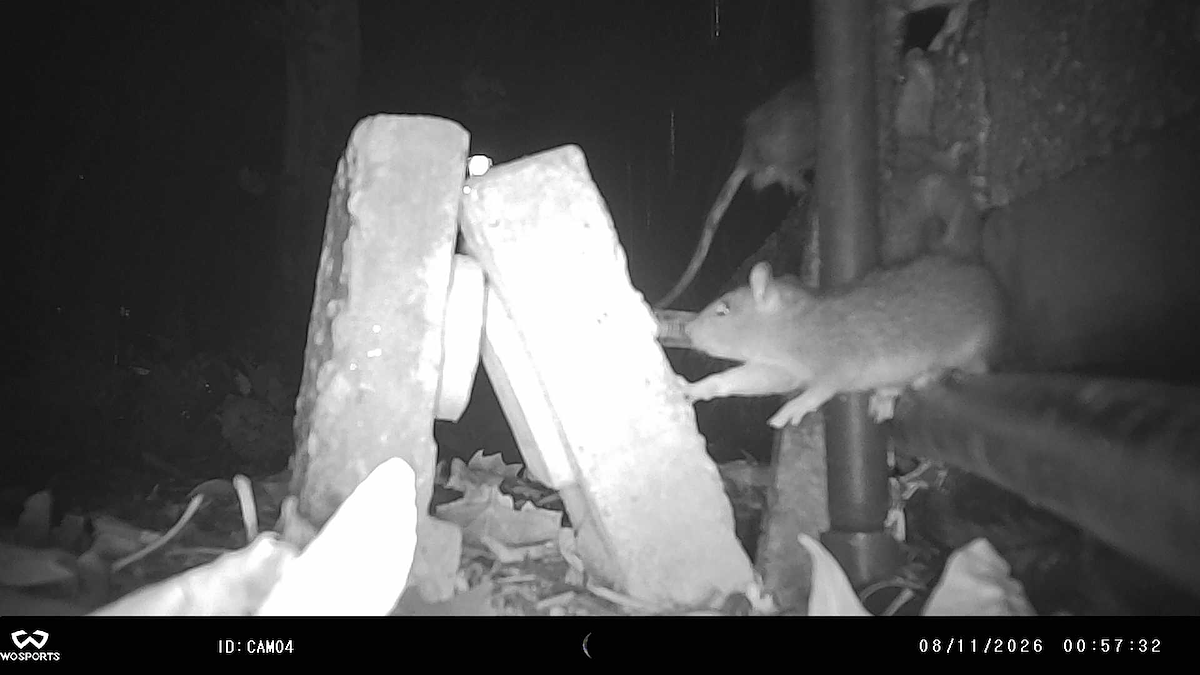
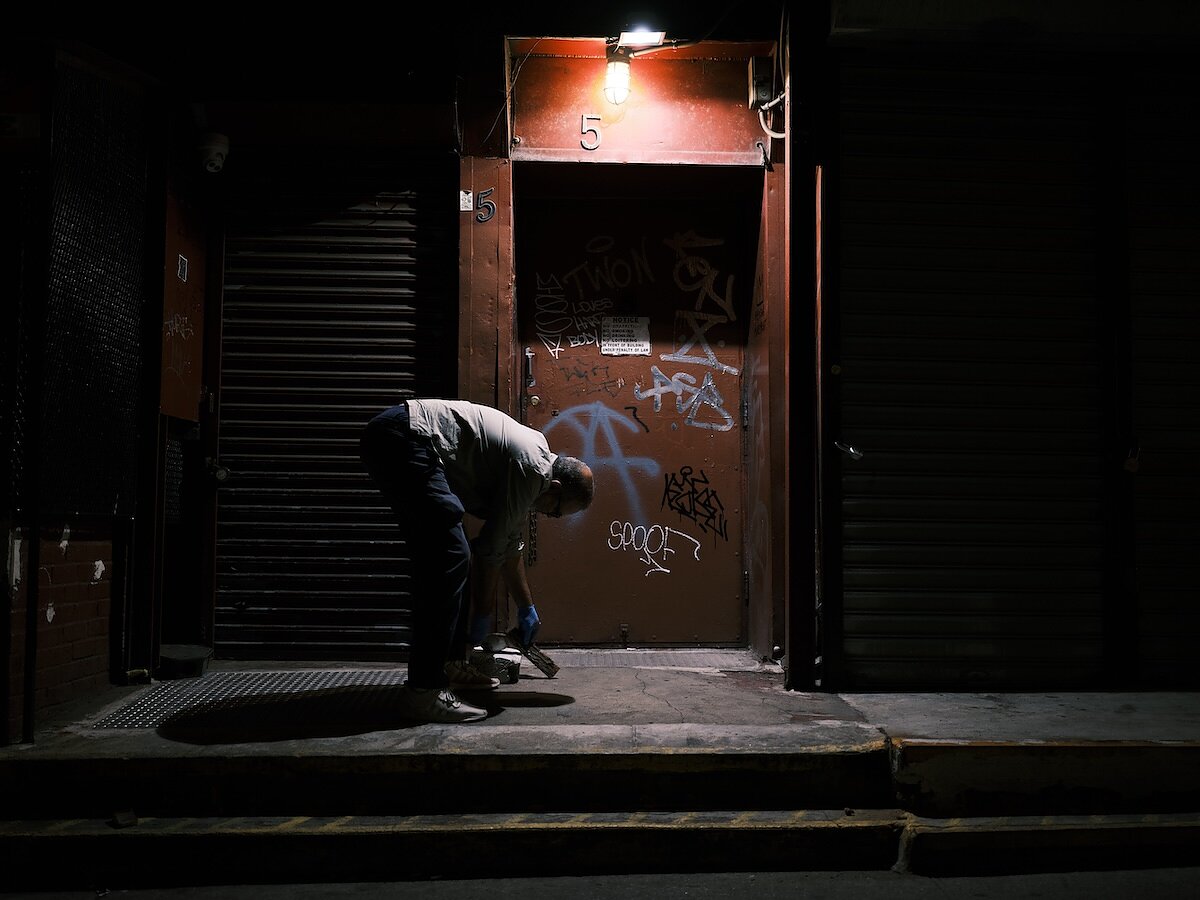
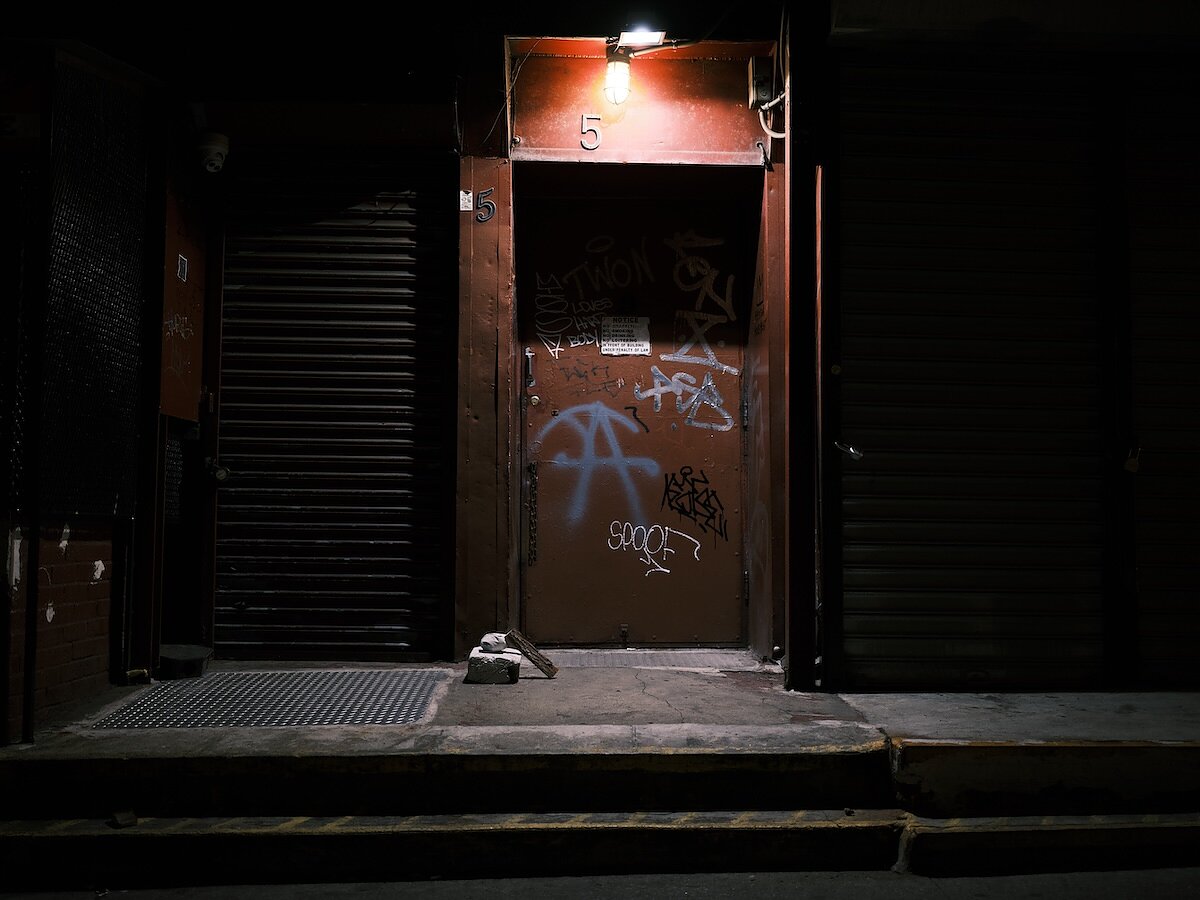
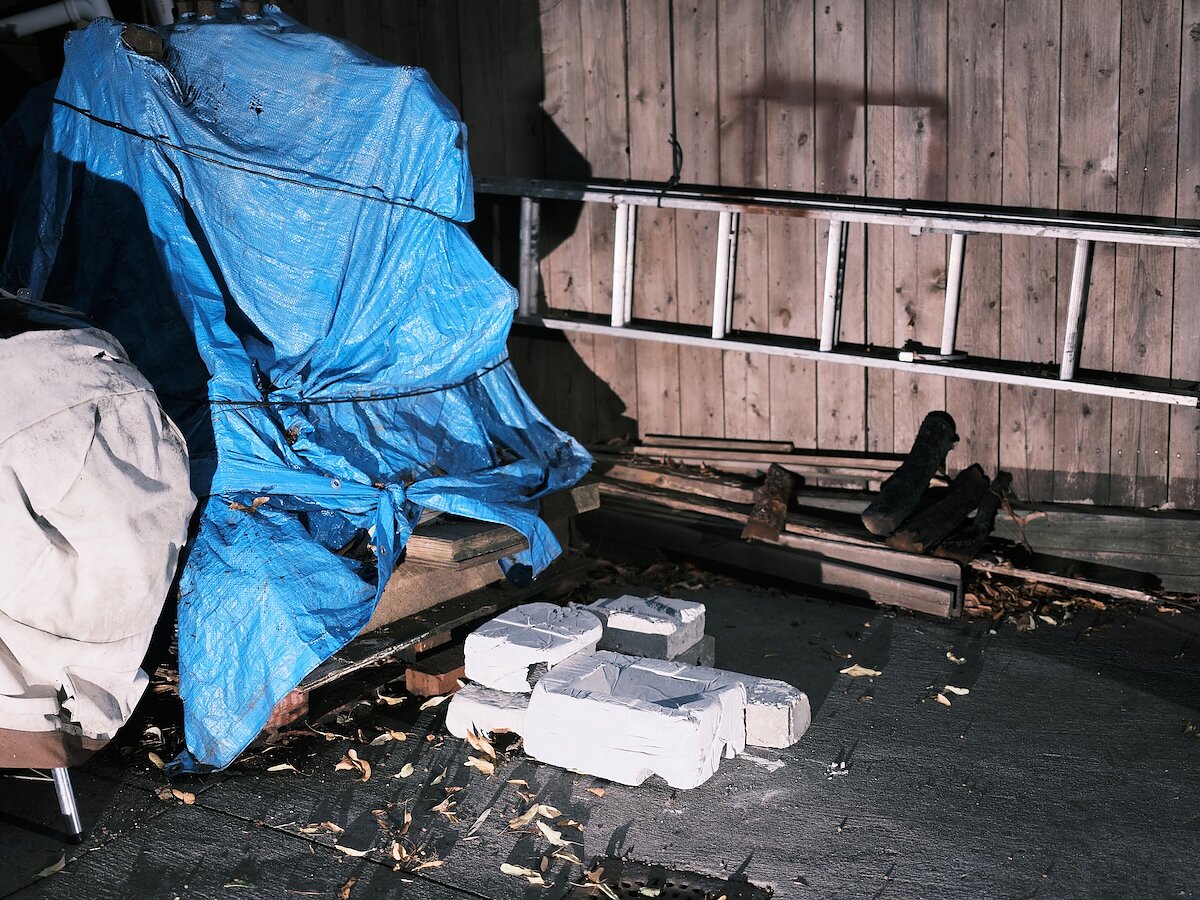
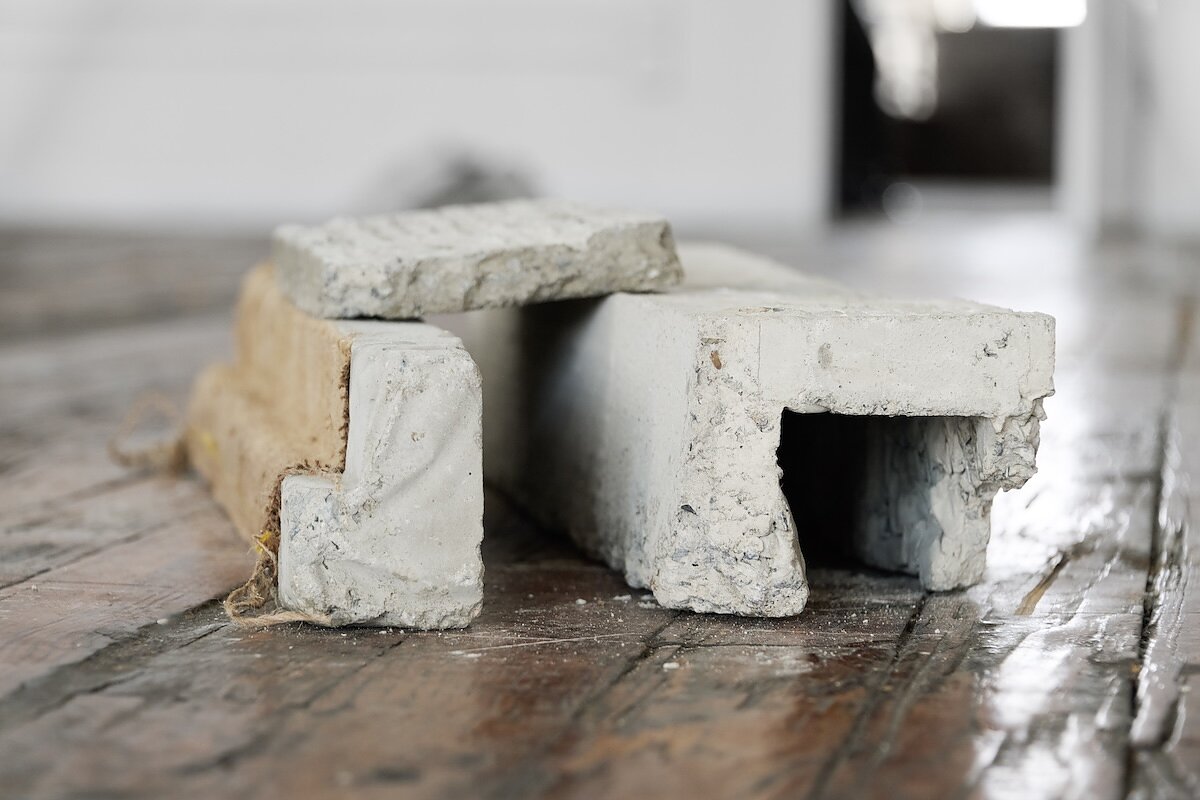
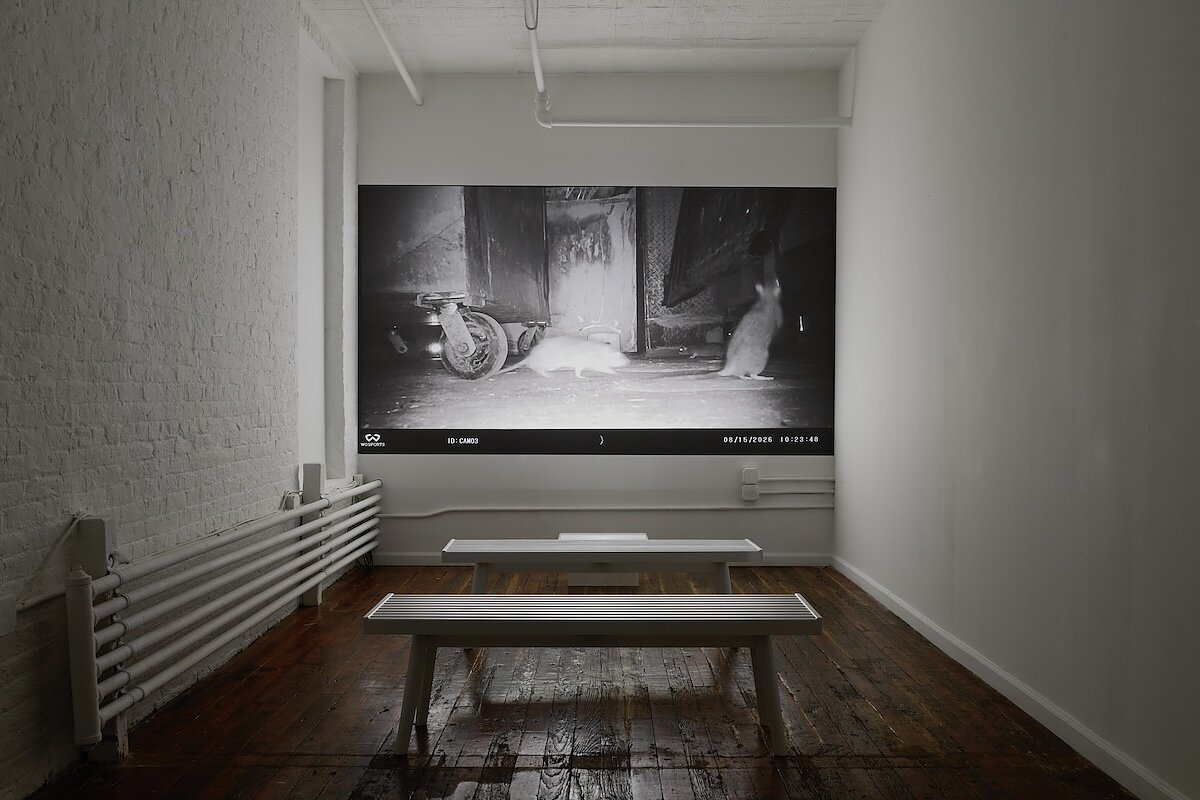
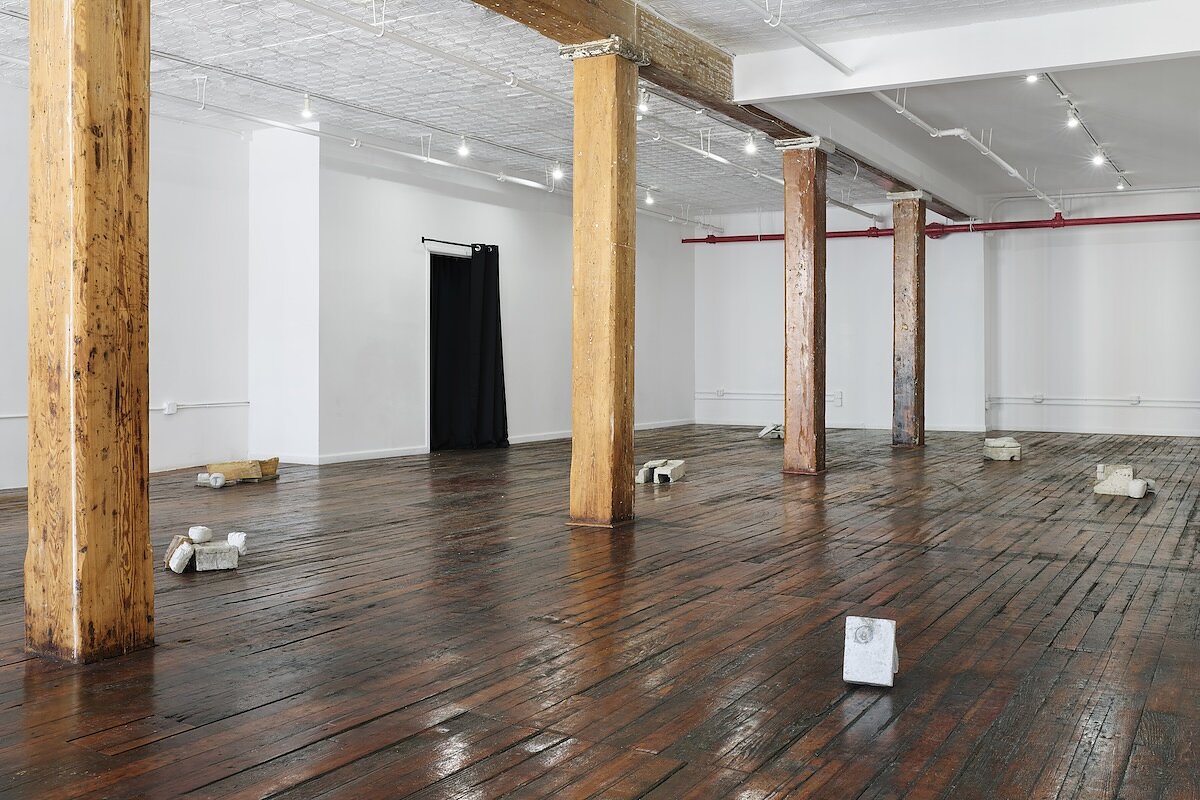
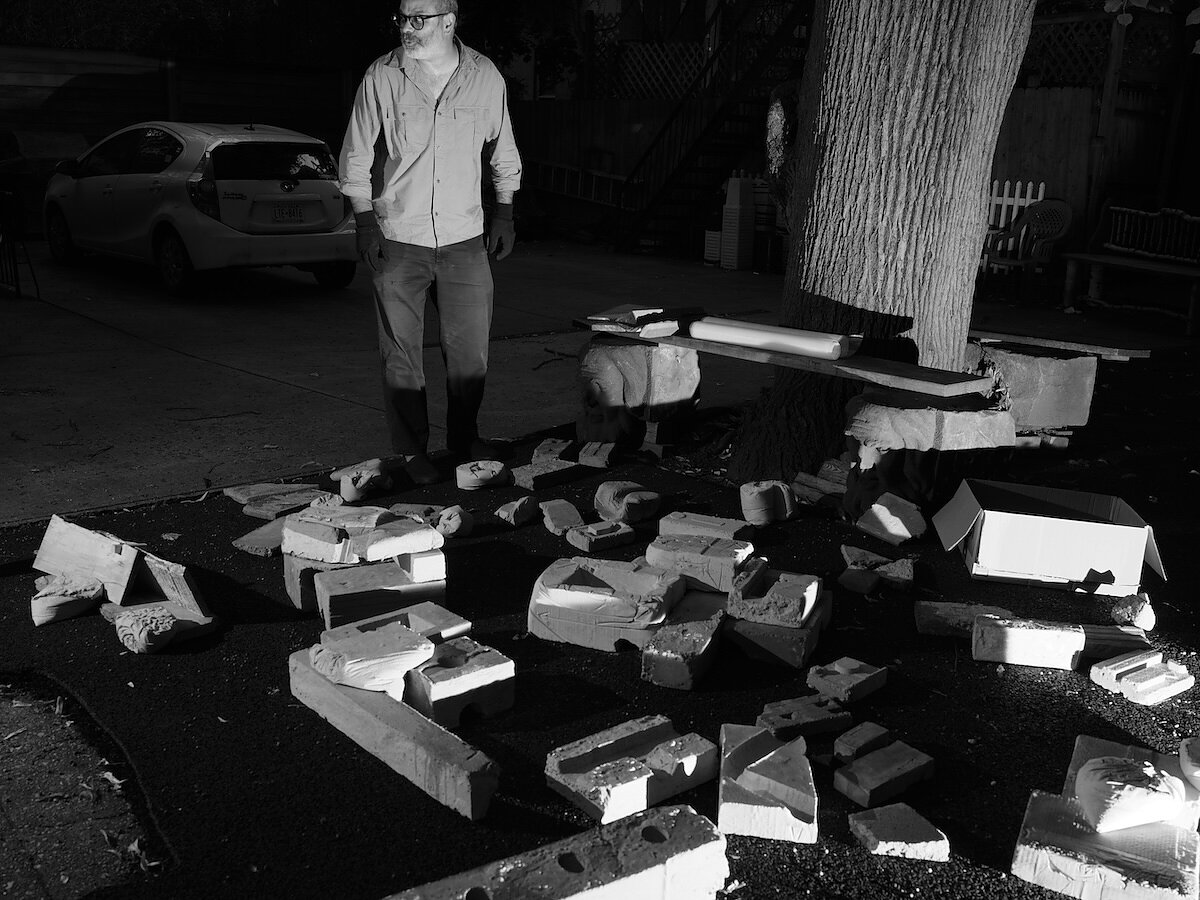
For his latest show, “Thigmotaxis (the rat show)” at times through December 12th, Raza created public sculptures for the rats of New York City. Named after the scientific term for how animals respond to tactile stimuli, the exhibition is set up in three parts. In one room, small, untitled sculptures made of plaster, wood, and stone are scattered on the floor. These were designed in collaboration with rat researcher Michael Parsons and MIT architects to be oriented toward rat sensibilities, namely touch. In another room is a film documenting the rats’ interaction with the sculptures, which had been left all around the city. In the final room hangs a human-sized version of the sculpture, meant to be rubbed against in order for humans to experience our own version of thigmotaxis.
The Amp invited musician Rafay Rashid to speak to Raza about his practice and the current exhibition—in addition to being a frequent collaborator of Raza’s, Rashid is also the artist’s nephew. In an intimate conversation, the two spoke about his process for the exhibition, overarching themes, and Raza’s childhood.
[This interview has been edited for clarity and length]


Asad Raza: It’s a good question, but I’m probably the wrong person to try to answer it—I never know how the works are connected until afterwards, and then other people start pointing it out to me.
I remember when we did the project for Manifesta in Barcelona where I used cloth that was blowing in the wind inside this power station on the beach north of the city. At the time, I remember feeling like, “Wow, this has nothing to do with anything I’ve done before.” And then later, people explained to me how this relates in a lot of different ways to other things I’ve done. That was surprising but it also helped give me a little bit of faith that I don’t need to consciously plan the connection. If a new project idea comes along, you can just follow it. Because it’s you doing it over time, those things that you do will produce some kind of commonality. It’s not exactly intentional.
But if I think about it now, in some ways, this work deals with living beings. It tries to put human beings into context in their planetary existence, rather than hold up ways in which the human individual is separate and unique in its environment.
AR: Mainly, I was thinking about what it would mean to make art for rats, and then how to install it in places where rats had access to it.
Early on, I had the idea of using rats at a laboratory and letting them interact with the works, whatever they ended up being. But I couldn’t find a laboratory that would let me do that—not exactly sure why. Later, I had the idea that it would be great to do it with wild rats, but then the question became what art for rats would even mean. That led to me asking how rats experience the world—what is their perceptual sort of mode of understanding the world?
That’s when I started talking to this guy, Michael Parsons, who’s a researcher who had been studying rats and their behavior. He said a number of key things to me, one of which was that rats have very poor vision and that they’re guided mostly by their sense of touch and smell. They like to stay close to walls and the floor because they can feel their way around.
I learned that there’s a word for this sensation of being in touch with the wall on the floor: thigmotaxis. It became the title for the show but it also made me switch from thinking of these works as something that would be experienced primarily visually to thinking of them as something that would be experienced through touch and texture.
AR: I think there’s a difference between art and entertainment, and entertaining rats seems fun, but it also seems doable. Pet stores are full of things that have been designed to entertain animals. For a rat, I could imagine some combination of tubes and maybe wheels. Who knows what kind of amusement park-like thing you could produce in order for rats to have fun. But one of the signature things about art, in my view, is that it doesn’t have a clear purpose. Art is not necessarily entertaining—it incites curiosity, but then it kind of lets go of you. I felt these forms should engage the rat’s curiosity, but shouldn’t have any obvious purpose beyond that for them.
We rode around in this minivan we rented and put the sculptures near different rat burrows in New York. Sometimes we installed trail cams. When we watched the footage in the van, we started seeing rats come up and sort of engage with the sculpture—look at it, sniff it, climb on it, maybe jump on it—and then they would jump off and keep going. I felt like this was a success because they weren’t just endlessly entertained by it. They were engaging with it for a bit, realized it didn’t have any clear purpose, moved on, and then would come back. To me, that was a sort of art-like engagement.
AR: It must be because I’m a human, and I mostly know about art engaging humans. As someone who I’ve worked with many times, you know most of my work is intended to be experienced by humans.
Part of my interest in this project became the fact that rats are not primarily visual—and the same can go for art. I’m interested in art that activates multiple senses, beyond sight and hearing, and so for me, this was an exciting idea because it’s something that I think would also be an interesting thing to do for human beings.
AR: I think that’s fair, but I don’t remember saying that.
[Both laugh]
AR: I think that comes from my childhood. As you know, my family came over from Pakistan and tried to acculturate to early ‘70s America with differing degrees of success. There were troubled and tragic experiences in my nuclear family growing up–mental illness, electroshock therapy, suicide–and I always felt like getting a group of people together on a mission brought a lot of joy and a kind of escape from some of the things that we were going through.
Mental and physical illness made for an atmosphere in which no one would talk, and it felt unhealthy. Getting people excited around an idea about something to do that might be fun or interesting was an answer to that. There’s an expression, “the straw that stirs the drink,” that is used to describe a kind of person. When I saw those kinds of people, I thought they brought a lot of value.
AR: I’m not sure—on some level, they are artworks, but they’re also exhibitions which contain works. There’s a sort of hybrid status. In the “Home Show” book, Brooke Holmes wrote an interesting essay about parts and wholes, which addresses this.
In Diversion, there is a custodian who helps you walk in the water, then filters and cleans the water for you to drink. Is Diversion one piece, or is it an exhibition which contains several different moments, which have an artistic formation? Maybe it’s both.
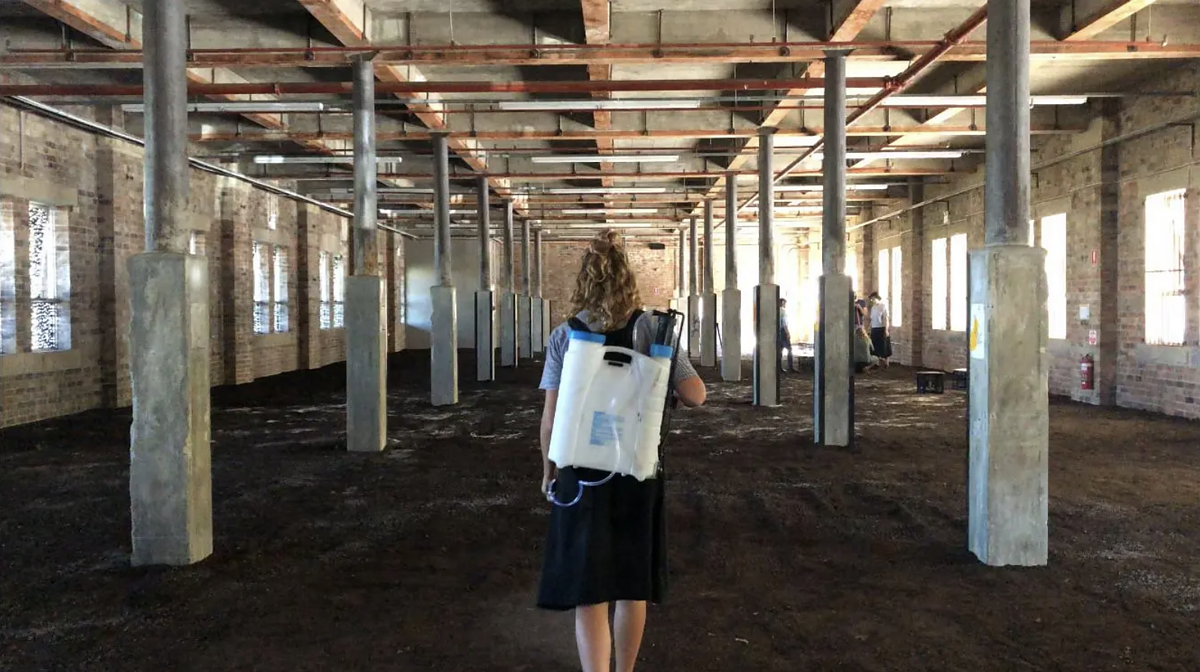
I do think it’s cool that you point out that these three exhibitions—“Electricity,” “Life to Come,” and “Home Show”—have this tour element. I think that goes back to what I was saying about my childhood where I was intrigued by someone who could come and speak to you and try to help you understand. I’ve always thought that’s an interesting figure—it’s someone who can’t fully be trusted necessarily, but I like that figure to be there for visitors. A lot of the works have something like that, even if it’s not exactly in the form of a tour: the cultivators in Absorption, or the coaches in Untitled Plot for Dialogue, or the caretakers in Root sequence.
AR: I don’t think it’s necessarily my job to make these determinations. There are artists like Joseph Kosuth who put a lot of energy into defining philosophically what conceptual art is and stating that he was a conceptual artist. On the other hand, you have artists like Dan Graham, who I was very close to. He would deny that he was a conceptual artist.
I don’t really feel that I need to set definitions around these issues. There are aspects of the work which are retinal, and there are aspects of the work which are conceptual, and there are aspects of the work which are narrative, and there are aspects of the work which are relational or intersubjective. The goal is to make something that could somehow produce some sense of relevance or something that feels even mildly transformative for yourself and for others, whether or not it fulfills the membership criteria for one of those movements.
AR: Well, I’ll say that being from Buffalo has deeply affected my love for the Buffalo Bills. But has being from Buffalo affected my practice? I think it has in ways that I probably don’t fully understand. Buffalo is a very particular place. It’s unpretentious and people are not necessarily convinced that they are in the center of the universe. When I was growing up, Buffalo had been shrinking for several decades. There was a feeling that it was a place that people were fleeing from. There was a kind of compensatory sense of proving that we’re actually not so bad.
There was a famous media campaign in the ‘80s which went (sings): “Buffalo’s got the feeling, talking proud, talking proud. Buffalo, we’re talking proud.” That tells you a lot about a place—that they feel the need to do that. But I think that, along with being from one of the only Pakistani families in town back then, left me with a certain sympathy with people who don’t feel that they’re at the center of the world. I like the idea that my work might be able to connect with someone who doesn’t know much about contemporary art yet.
AR: Everything we learn before age 18 really sticks with us. I feel that more and more as I get older. Being 51 now, I think about movies I saw, music I heard, things I learned. A really formative encounter for me was after my older brother passed away, and our family was not doing so well. We had a couple visitors who were from the world of theater and film who stayed at our house when I was around 16. They both made a big impact on me.
We sometimes would house actors for the Studio Arena Theater in Buffalo. One of them was an actor called Don Berman who was in town to perform in a play. The other was a very famous actor from India, Shabana Azmi. She was a beautiful soul and got me really excited about thinking about movies as a form, and she wrote me a long letter after she stayed at our house in Buffalo, saying that I should think seriously about films, keep a journal. From then on, I started taking film and cinema really seriously, going to see movies like Jungle Fever and My Own Private Idaho in Buffalo. Maybe that’s informed the way I perceive experiences.
RR: Your work also often doesn’t use the usual wall text descriptions. There’s nothing on the walls at “Thigmotaxis.” The works in the three rooms provide everything you need to understand it without having to read anything additional. It tells the whole story, like a film.
This is a little bit out there but I’d love to know your answer: Do you think it’s important to define a purpose in life? If so, what do you think yours is?
AR: I’m not immediately attracted to the idea of defining, but I don’t have a problem with the idea of purpose. In fact, I like a sense of having purpose. But you know what Kant said about art—that it’s something that has purposiveness without purpose. Life can also be thought of in that way. You should have a sense of purposiveness, but I don’t think it’s so important to define what it is and then police yourself about whether you’ve stayed within that or not.
Certainly for me, I’m hopeful that some of the things that we do could, in some way, be eye-opening or meaningful. I believe that’s how you work as well, in your music and in your art—that feels like a purpose.
But more and more over time, I start to feel that another important sense of purpose is the way that you make other people feel in your actual orbit in everyday life—not your work, but your presence. What does being in relation to you give to others? Does it help them, or does it impede them, or cause them pain? That feels like an important thing to add to one’s sense of how to be in the world.