Reframing the Decorative at the 2026 Whitney Biennial
Of the 56 artists showing at the 2026 Whitney Biennial, a third are of Asian heritage—the proportion is even higher if you separate the members of duos or the CFGNY collective. For a survey of American art, this clearly overrepresents Asians in the country (about 7% as of 2024) and is a closer reflection of the world’s population. It’s one reason why the exhibition feels less like a picture of contemporary American art and more a confluence of globalized flows of political tensions and digital anxieties—including their impact on the Asian experience.
While some Asian artists engage explicitly with the woes of the world at large—Basel Abbas and Ruanne Abou-Rahme’s video installation documents Palestinian resilience, Sung Tieu’s stairwell sculpture pipes in distress signals from fracking fields—others zoom in on the decorative, taking pleasure in beauty while finding meaning beneath its surface.
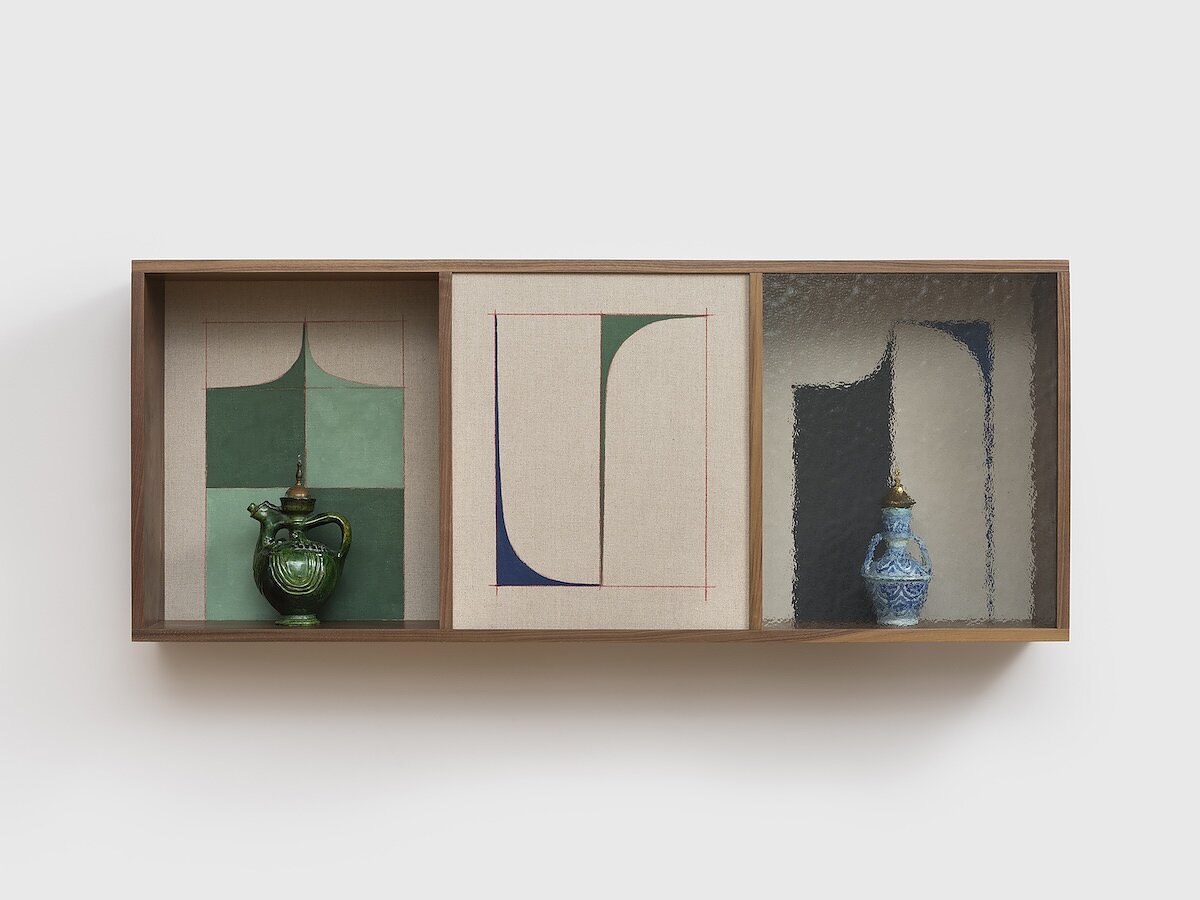
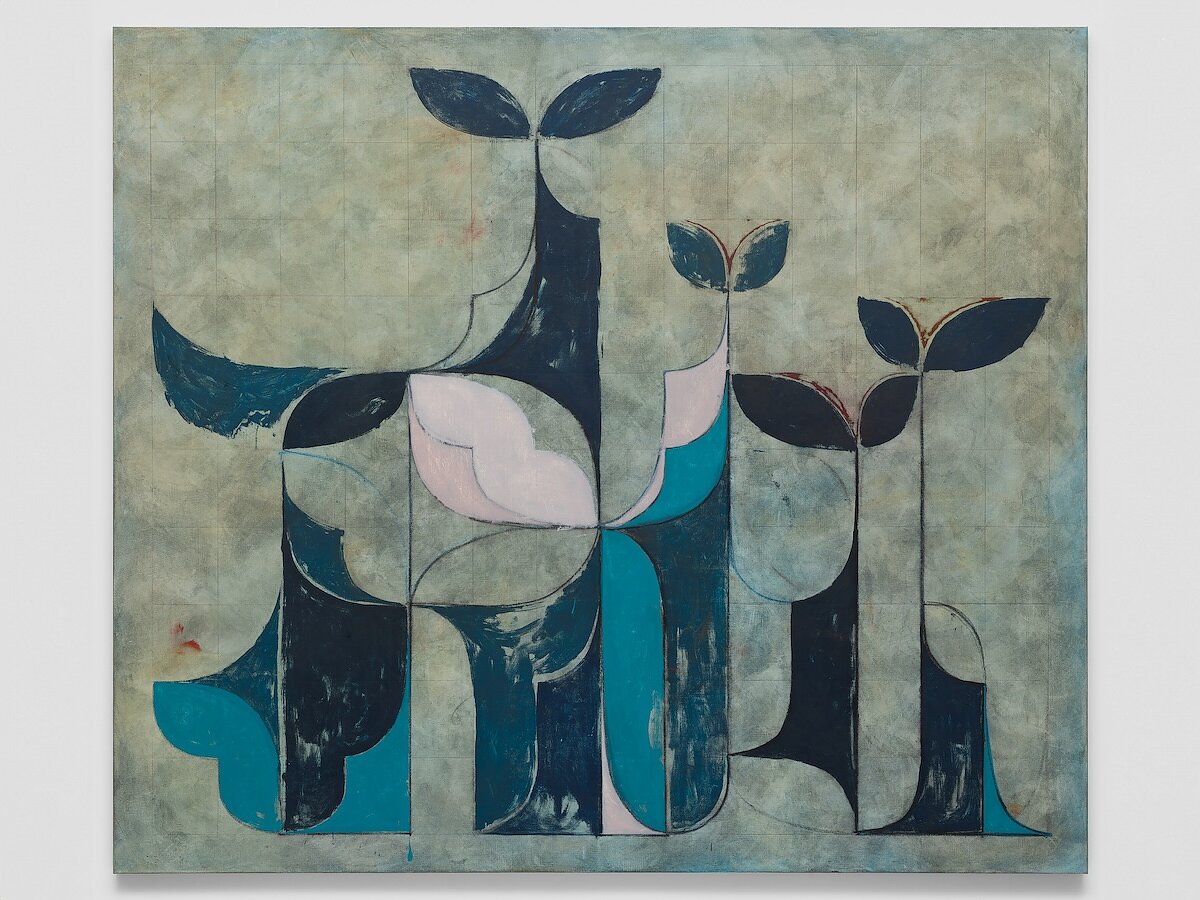
Kamrooz Aram’s presentation of four works—a painting, a collage, a vitrine, and a folding screen—is a primer on his philosophy, which seeks to dispel the Orientalist view that items like Persian jars and rugs are mere ornaments for display and consumption. “Western art history has typically placed the category of decorative arts in a lower position. The modernists feared and despised it,” he says in the biennial catalogue.
Aram, who moved from Iran to the US as a child, often juxtaposes the ornamental with the elemental and thus challenges the boundary between art and object. His collage Descendants (Luster on Blue Glaze) (2025) reframes old black-and-white photos of Persian ceramics in a modernist composition. Requiem for Perpetual Defeat (2026), where actual vessels on a walnut shelf are backed by geometric diagrams, recalls da Vinci’s Vitruvian Man, suggesting that the beauty of these objects derives from perfectly considered proportions.


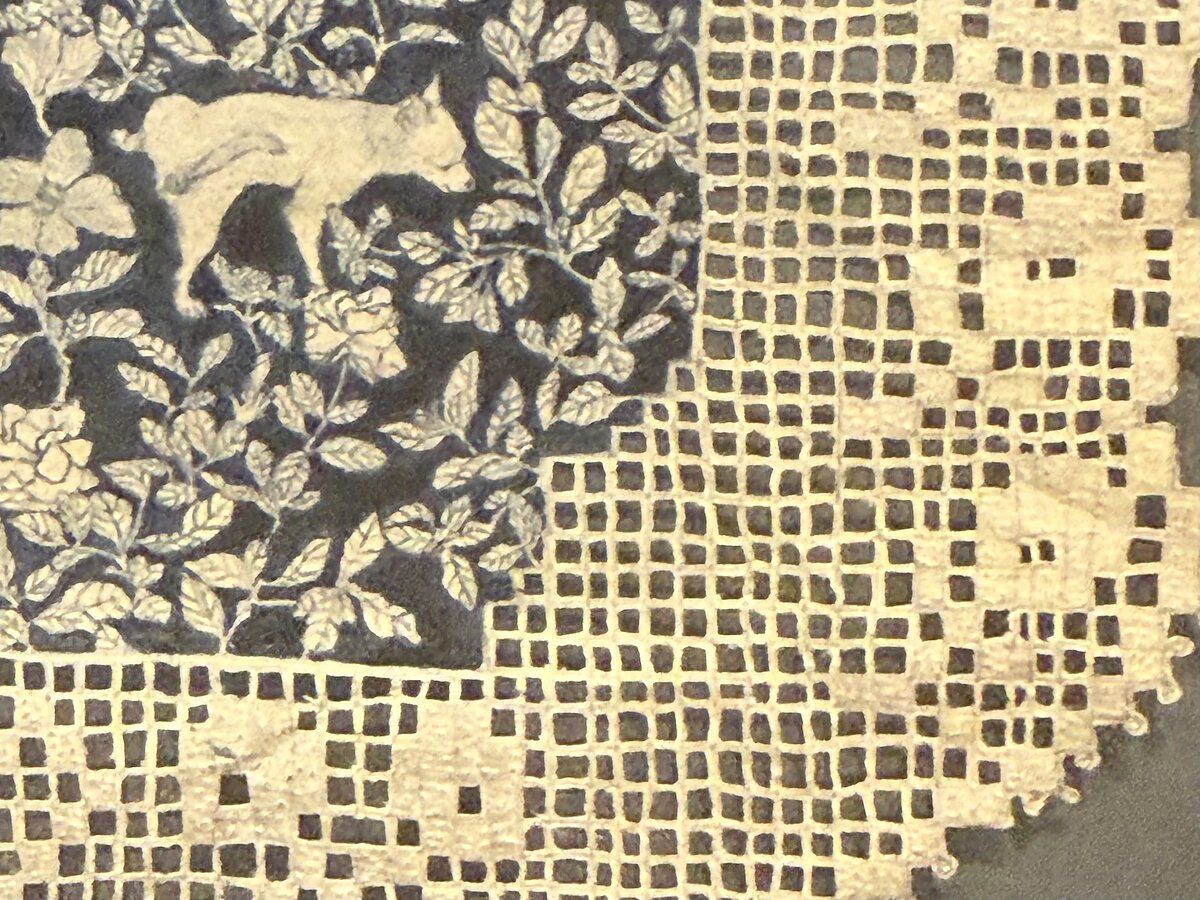
For Kelly Akashi, the decorative speaks to family and the past, particularly in the context of her grandmother’s doilies, which she salvaged from a garage sale only to lose them in the 2025 Eaton Fire in Los Angeles County. The wildfire consumed her home, along with many pieces of art made by friends and by herself. She did, however, manage to rescue family heirlooms and a photo album of relatives at the Poston internment camp in the 1940s.
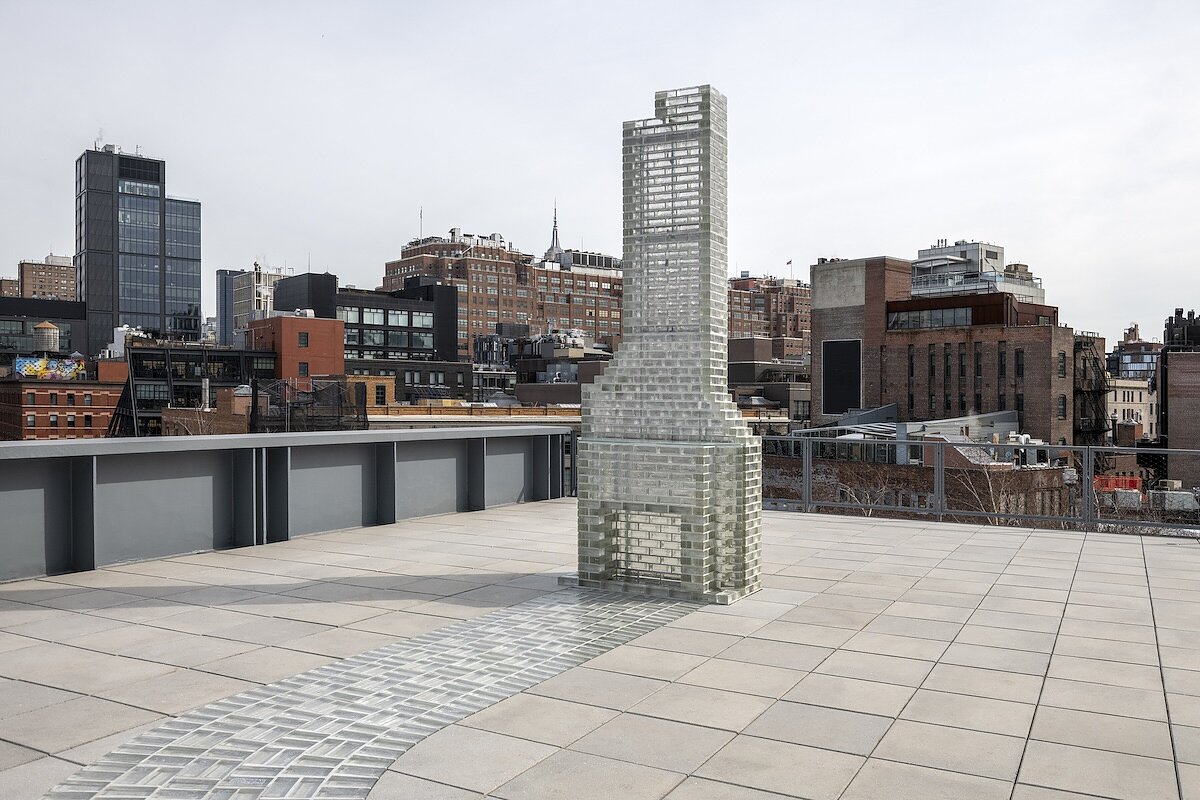
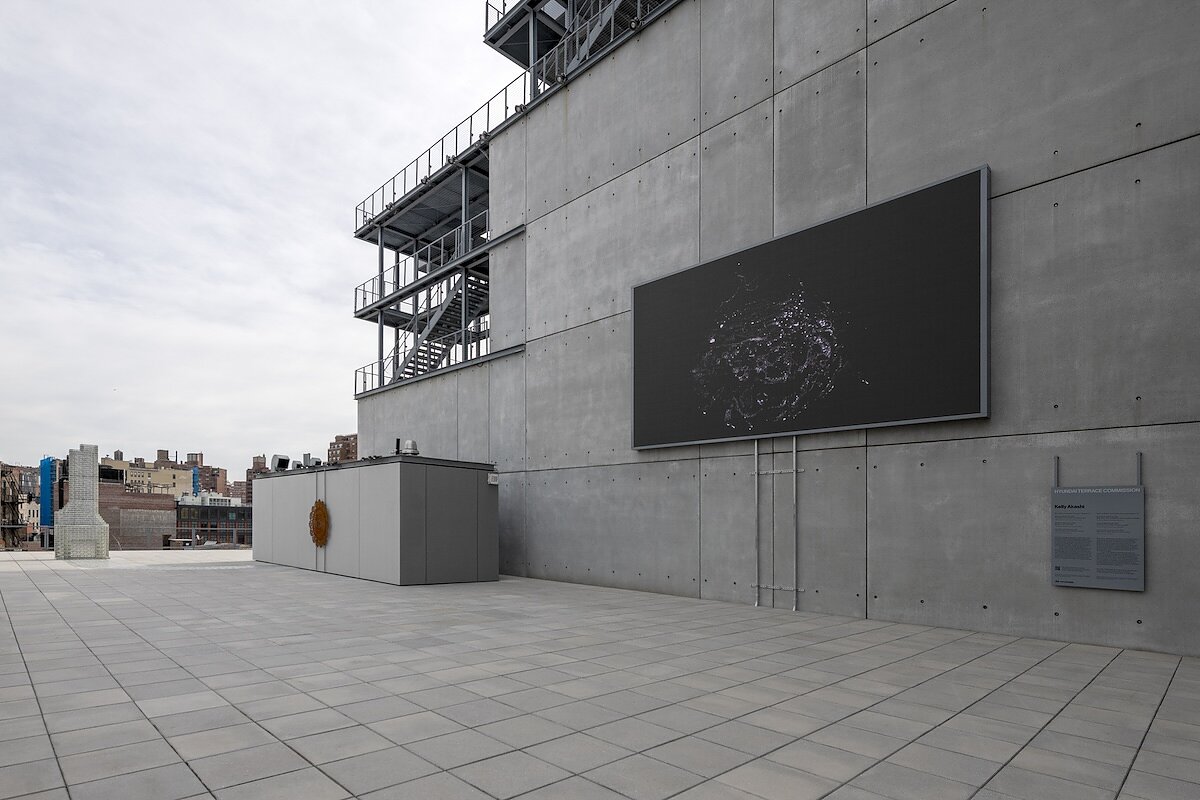
Akashi helms this year’s Hyundai Terrace Commission on the fifth floor of the Whitney museum. A cold, stark landscape presents effigies for the incinerated: Monument (Altadena) (2026) is a glass chimney replicating the remains of her house, Remnants (Constellations) (2026) a video animation of silvery flames that ripple and dissolve, and Inheritance (Distressed) (2026) a rusted-steel blow-up of one of her grandmother’s doilies.
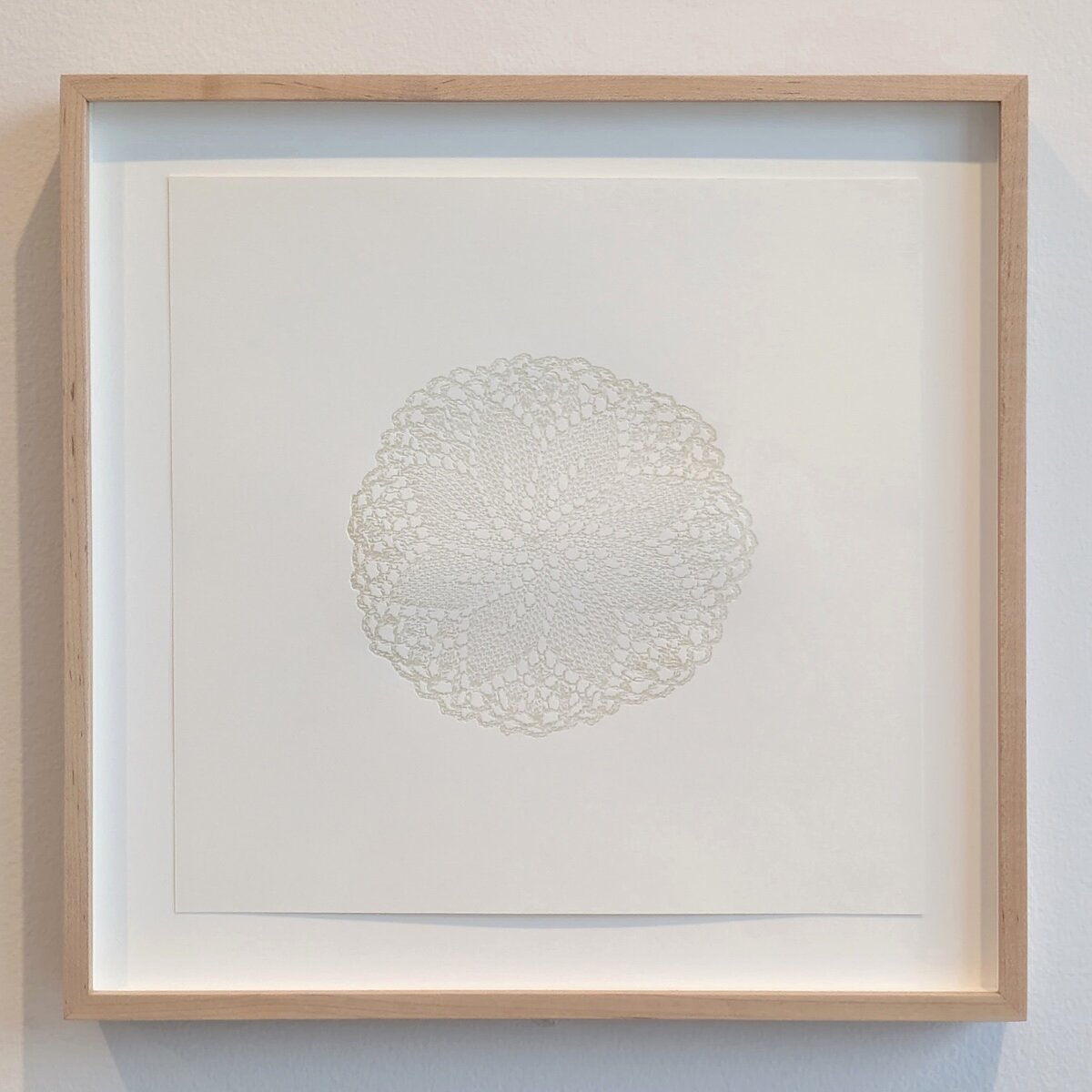
Along the indoor passageway that leads out to the terrace hangs Akashi’s embossed paper series Imprints (2026), which recreates more of her grandmother’s doilies. Like faded fossils, a couple of these embossings are barely legible and seem to express the inescapability of loss. No matter how hard we try to hang on to the past, it inevitably slips through our fingers and into the ether.
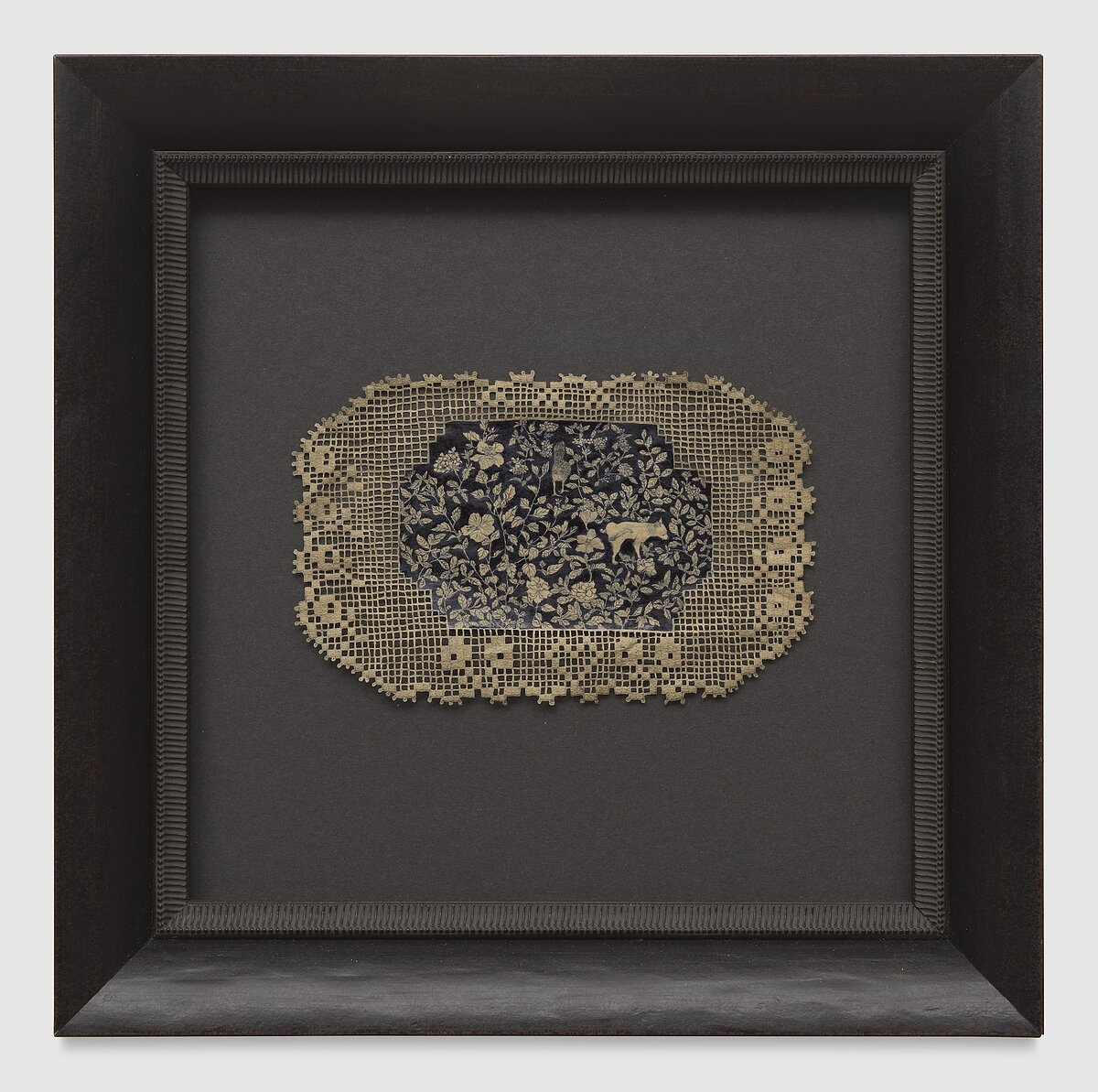
Jasmin Sian too creates lacy patterns on paper, but hers are painstakingly carved out of discarded deli bags with an X-Acto knife and used to frame tiny ink drawings of beloved plants and animals.
Sian, who lives in New York, grew up surrounded by forest and ocean on Leyte, an island in the Philippines. Now, she sees beauty in nature everywhere she goes—be it weeds in Texas or pet birds at home—and her heart breaks for its demise.
In her pieces, every animal has a name. There’s Mengmeng, her “most favorite cat in the world”; Venus, the horse in Central Park; and in her mother’s garden, Mrs. Manok the chicken and Bugoy the chihuahua (peeing in his favorite spot). For a dead parrotlet, grandly addressed as “HRH Fennel,” Sian has illustrated trees for him to dwell in in the afterlife.
The size of Sian’s works has always been as humble as her subjects and materials. (At her request, a magnifying glass is provided for closer inspection of the leftmost diptych on view.) Although she is no longer a practicing Catholic, these tiny tributes to nature are reminiscent of the religion’s devotional pendants and miniature manuscripts.
Even the lacy borders hark back to the mantillas that she and her grandmother wore to church. “I don’t think works need to be big in order to be felt,” she says in the exhibition’s catalogue. Her creations compel us to draw close and squint to appreciate the fragility of nature, to notice the magnificent in the miniscule, to see the world in a grain of sand.
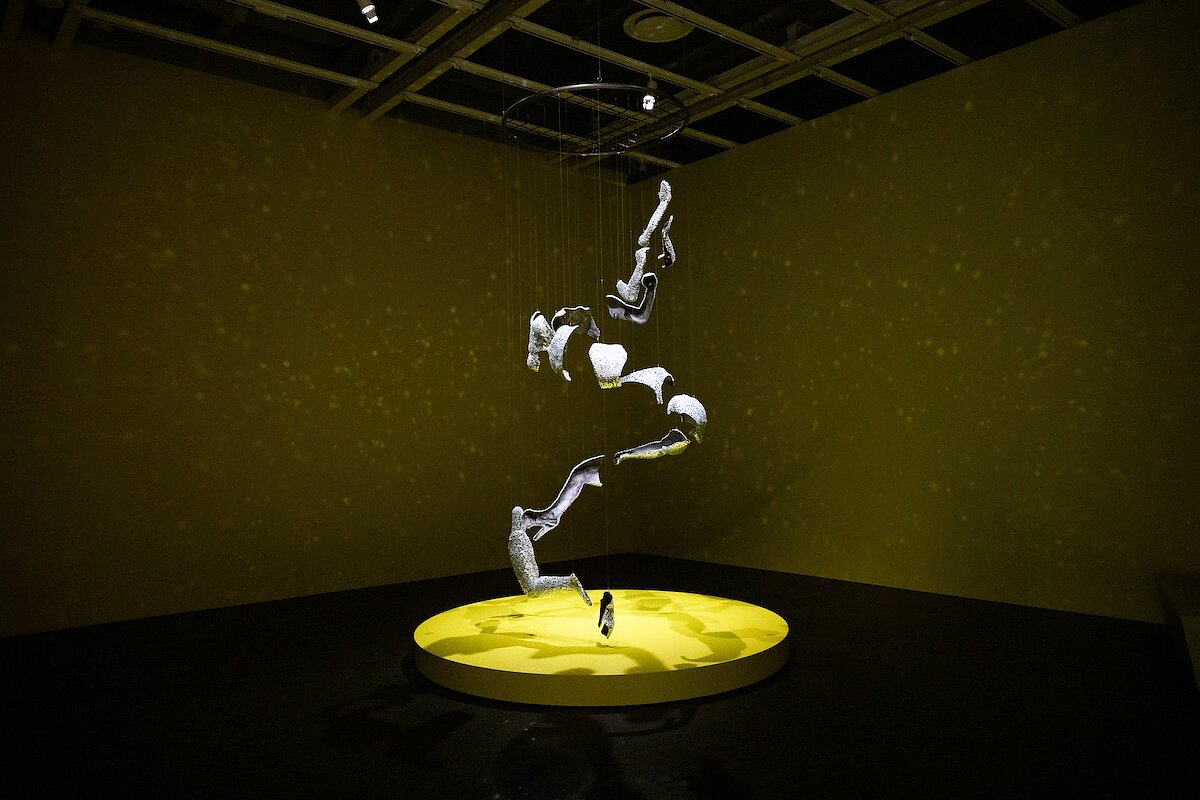
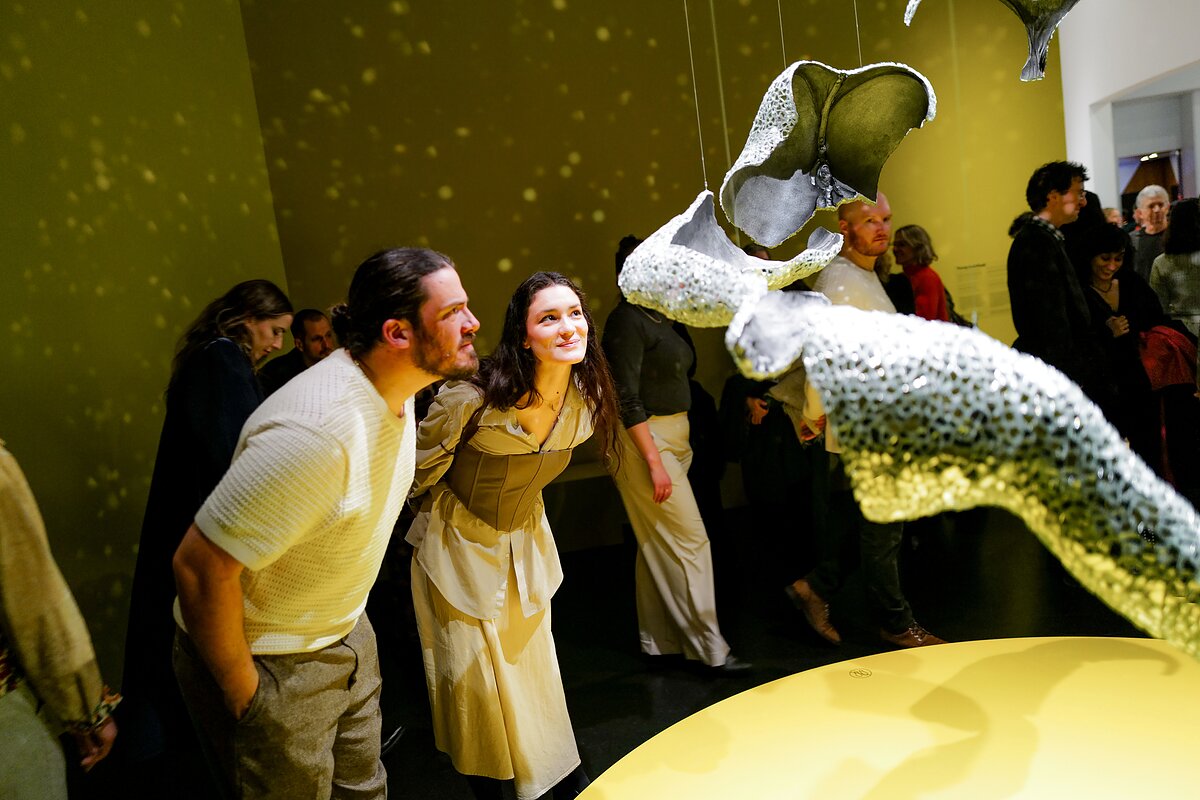
In Divine Dance of Soft Revolt (Anna, Travis, Me) (2024), Young Joon Kwak explodes a disco ball. Suspended above a round platform is a spiral arrangement of mirror-encrusted limbs and torso fragments, lifecasts of Kwak’s queer and trans friends that form a “collective rising body.”
By centering the piece in a darkened space caressed by an ambient soundtrack, the sculpture expands into an experience. Visitors, circling the work or contemplating it from corner benches, gaze at the fragmented yet unified body as they bathe in the sparkle of its gently spinning parts.
Born in Queens, Kwak has lived in Los Angeles since 2012. Like Aram, they consciously buck Western conventions, shunning notions of monumental or monolithic sculpture in favor of fleeting forms that move and shimmer.
What is a disco ball but a shattered mirror glued back together? Kwak’s piece turns an object of frivolous fun into a focus of spiritual rumination. The ascendant form, casting glitter on the sunny yellow stage and walls, evokes a sense of miraculous solidarity and optimism. Just as Aram’s paintings exalt Persian culture, Akashi’s embossings enshrine family, and Sian’s miniatures worship nature, Kwak’s alternative disco sanctifies the broken but beautiful bodies of the queer community.
The Whitney Biennial 2026 runs at the Whitney Museum of American Art through August 23.
—Fred Voon is an arts writer from Singapore who has contributed features and criticism to the Observer, MILIEU, IMPULSE, Plural, Art & Antiques, and The Art Newspaper.